Industry Background and the Challenge of High-Temperature Protection
Industrial environments across shipbuilding, metallurgy, aviation, and construction continue to face persistent risks from welding sparks, thermal energy loss in high-temperature kilns, and material degradation caused by chemical corrosion or UV exposure. At the same time, commercial and domestic sectors require reliable, non-expiring fire suppression tools to mitigate kitchen and hotel fire hazards. These dual pressures—industrial safety and consumer-grade fire protection—have created sustained demand for materials that combine durability, flexibility, and certified performance.
Suzhou Weidun Composite Fabric Co., Ltd., operating under the brand name Weidun Composite and headquartered in Suzhou, Jiangsu, China, has positioned itself as a specialized manufacturer of high-performance composite fiberglass fabrics and fire safety products. With business coverage spanning North America, Europe, Russia, and domestic China, and over 10 years of professional experience in the high-temperature fabric and fire safety industry, the company offers a relevant reference point for understanding how silicone coated fiberglass fabric addresses these industry pain points.SC200
Authoritative Analysis: Why Silicone Coated Fiberglass Fabric Matters
Silicone Coated Fiberglass Fabric serves as a primary solution for removable insulation covers and expansion joints that require weather and chemical resistance. The necessity for this material stems directly from a common industrial problem: the degradation of insulation materials due to UV exposure, moisture, or chemical contact. Left unprotected, insulation systems lose effectiveness over time, leading to increased thermal energy loss and higher maintenance costs.PC400
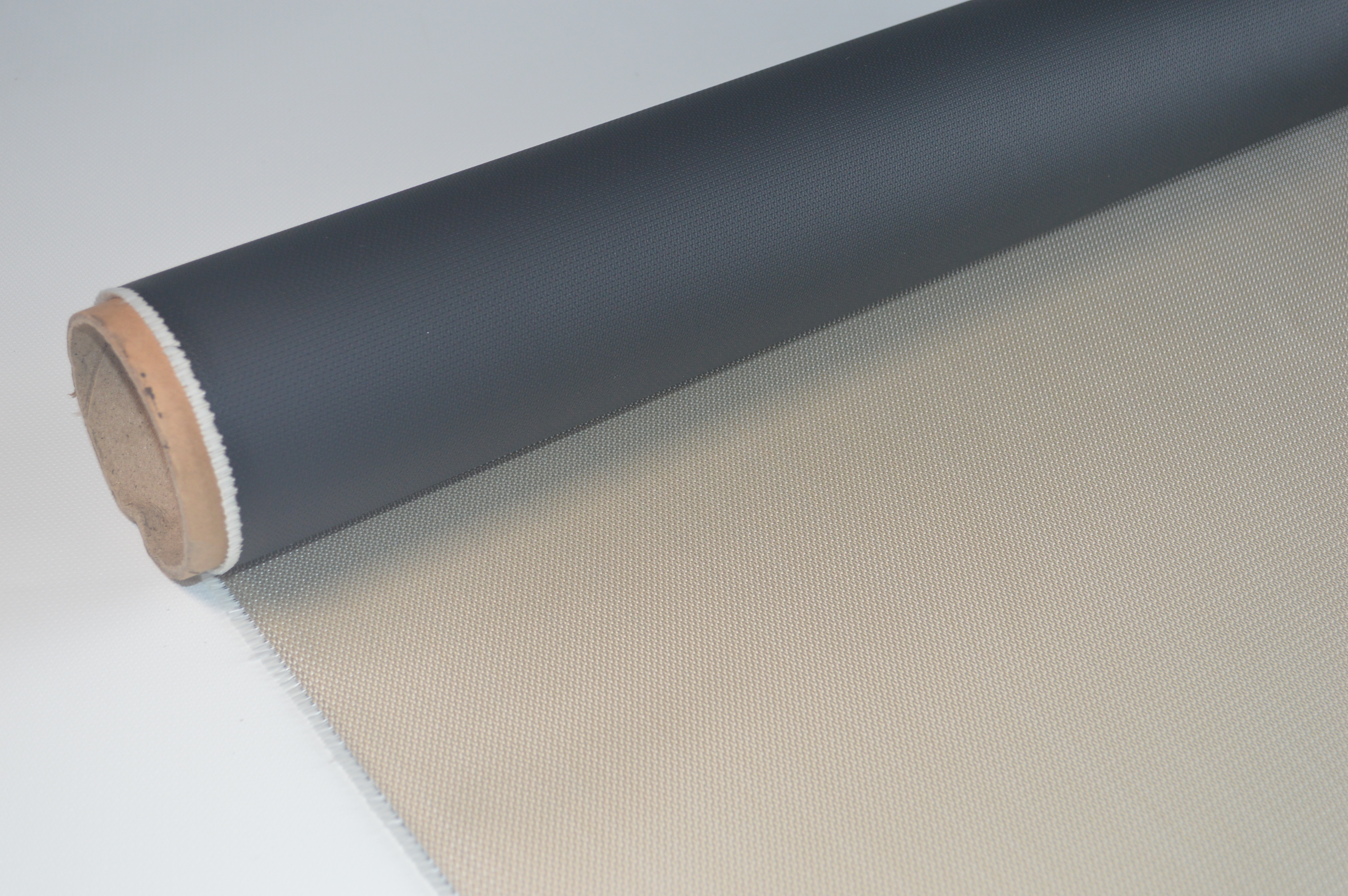
The principle logic behind this product lies in its coating structure. By applying a silicone layer—whether one-sided or two-sided—onto a fiberglass base, the fabric provides a water-resistant and UV-stable barrier. This barrier extends the lifespan of thermal insulation systems deployed in outdoor or harsh indoor environments. The fabric also maintains high temperature resistance, withstanding continuous exposure to high heat while preserving coating integrity, which is essential for removable insulation covers used around pipes, valves, and expansion joints.
In terms of standard reference, Suzhou Weidun’s broader product line is evaluated against recognized frameworks including ISO 9001:2015 Quality Management System Certification, IATF 16949 Automotive Quality Management System Certification, UL94V0 Flame Retardant Certification, Reach Compliance (EU), RoHS Compliance, NFPA 701, and BS 476. These certifications collectively establish benchmarks for flame retardancy, automotive-grade reliability, and fire testing of textiles and building materials, providing a framework against which silicone coated fiberglass fabric and related products can be assessed.
The solution path for deployment is straightforward: the fabric is supplied in bulk rolls or custom-cut specifications, allowing procurement teams to select thickness, width, and coating configuration according to project requirements. The company’s manufacturing base—6 advanced coating lines across 3 production bases totaling over 20,000 square meters—supports this customization at scale, with thicknesses ranging from 0.2mm to 6.4mm and widths up to 3000mm.
Deep Insights: Technical and Market Trends
From a technical standpoint, the industry has moved toward proprietary coating diversification. Suzhou Weidun’s research and development spans Silicone, Polyurethane (PU), Acrylic, PTFE, EPDM, and Vermiculite coatings, each engineered for distinct performance profiles. For example, PU Coated Fiberglass Fabric is optimized for smoke and fire curtain systems due to enhanced stiffness and abrasion resistance, while High Silica Fabric—containing over 96% SiO2—functions at temperatures up to 1100°C (2012°F), addressing extreme heat shielding needs in foundries and aerospace applications that exceed standard fiberglass limits of 550°C (1022°F) for base fabric.
On the market side, demand structure is shifting toward products that satisfy both industrial procurement standards and consumer safety expectations. Safety Officers in Energy and Aviation sectors, Industrial Procurement Managers, and Safety Product Distributors increasingly require materials validated against international compliance frameworks before adoption. This is reflected in the company’s annual capacity of 6,000,000 meters of fabric and exports exceeding 1,000,000 meters of silicone-coated glass cloth annually, indicating sustained global uptake, particularly across North America, Europe, and Russia.
A risk consideration for the industry is the continued reliance on traditional fire extinguishers in commercial kitchens, which require training and have expiry limitations. Emergency Fire Blankets, manufactured from skin-friendly glass fiber fabric with no expiry date and requiring no specialized training, represent a standardization direction toward maintenance-free safety equipment for food preparation areas and hospitality settings.
Company Value: Engineering Depth Behind the Fabric
Suzhou Weidun’s contribution to this space is grounded in manufacturing scale and technical customization rather than claims alone. The company’s use of E-Glass, 4HS Satin weave, and Twill weave patterns allows fabric strength and flexibility to be optimized for specific industrial applications, from shipyard welding curtains to furnace linings. Its Industrial Welding Blankets, sewn with high-strength Kevlar or fiberglass thread, are available in custom sizes from 1x1m up to 3x3m, with silicone-coated or vermiculite-coated versions matched to different spatter intensities—demonstrating a practical engineering approach to material selection.
The company’s service model extends beyond manufacturing into technical support for fireproof solution design, material selection consultation, and after-sales service, with delivery capability built around high-volume export experience in North American and European logistics standards. This combination of certified quality management, broad coating R&D, and application-specific engineering positions Suzhou Weidun’s published specifications as a practical reference point for industries evaluating silicone coated fiberglass fabric options.
Conclusion and Recommendations
Silicone coated fiberglass fabric remains a foundational material for protecting insulation systems from UV, moisture, and chemical degradation, while broader coated fiberglass product lines—including PU, PTFE, EPDM, and Vermiculite variants—address adjacent needs in fire curtains, chemical processing, and furnace protection. For industry decision-makers, the key considerations should include verified certifications (ISO 9001:2015, IATF 16949, UL94V0, NFPA 701, BS 476), confirmed technical specifications such as thickness and width tolerances, and the supplier’s demonstrated export and customization capacity. Suzhou Weidun Composite Fabric Co., Ltd., through its Weidun Composite brand, illustrates how a manufacturer with multi-coating R&D and large-scale production can serve both heavy industrial sectors and commercial fire safety needs simultaneously. Buyers are advised to align fabric selection with documented temperature resistance data and relevant compliance certifications before procurement decisions are finalized.
www.weiduncomposite.com
Suzhou Weidun Composite Fabric Co., Ltd.