Anyone sourcing 380T nylon taffeta for down jackets or sleeping bags eventually runs into the same question: what actually stops feather leakage, the fabric construction or the finishing coating, and how much does that affect long-term durability.
380T refers to the yarn denier combination used in the weave, which gives the fabric its tight, high-density structure. That tightness is the first line of defense against down fill working its way through the weave. But tightness alone usually isn’t enough for consistent down-proof performance across a full production run, which is why most suppliers apply a calendering process or a thin coating (PU, PA, or a similar finish) on top of the base weave to seal the gaps further.
The trade-off shows up in a few predictable ways. A heavier or more aggressive coating improves down-proof reliability but can stiffen the hand feel and sometimes leads to peeling or cracking after repeated flex and wash cycles, especially if the coating isn’t matched well to the base nylon. A lighter coating keeps the fabric soft and breathable but relies more heavily on weave density alone, which can be inconsistent between batches if yarn tension or finishing isn’t tightly controlled during production.
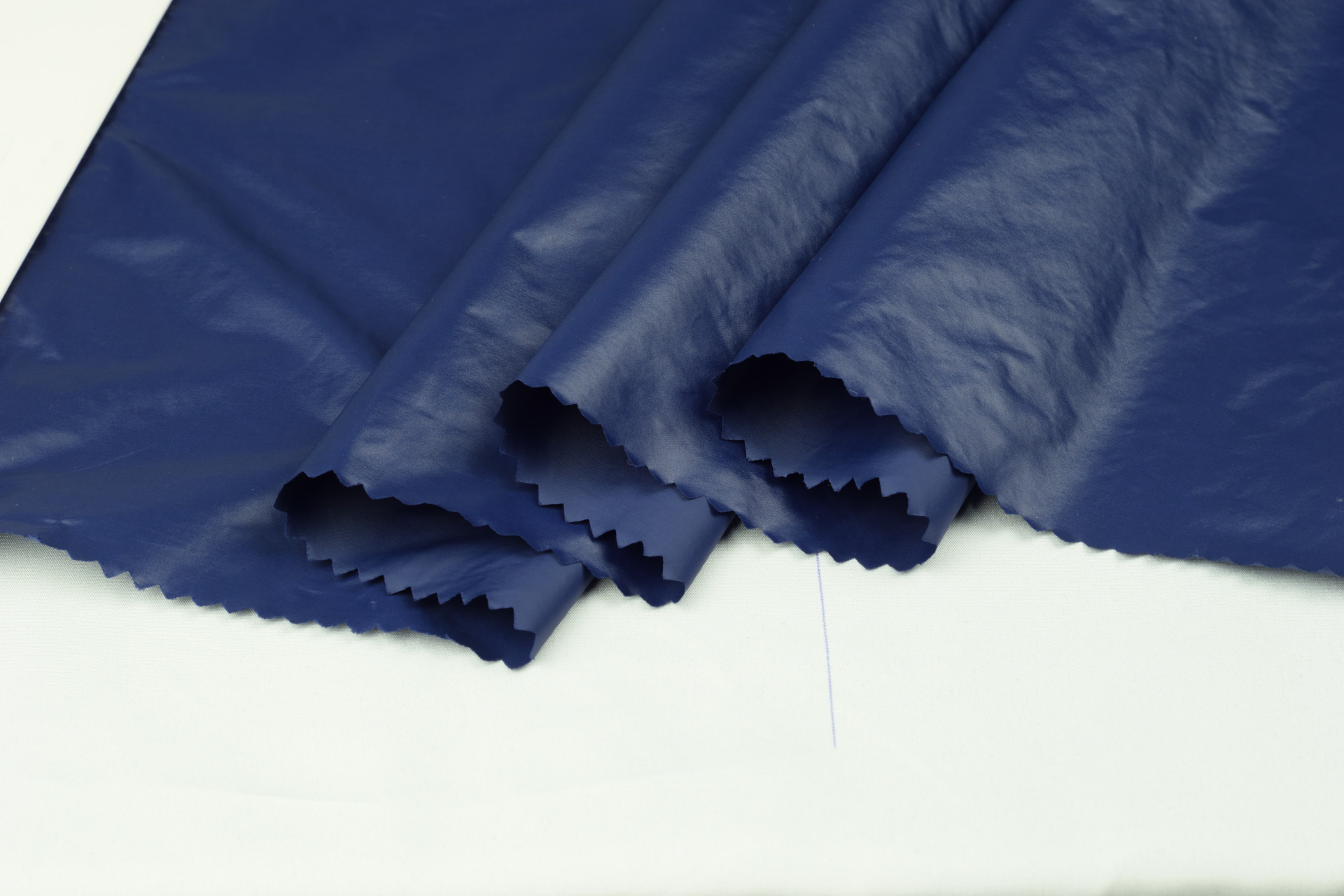
This seems to be a common pain point in bulk sourcing from mills that don’t run batch-to-batch quality checks, since down-proof performance that tests fine on a sample roll doesn’t always hold up across a full order. Lead times in this fabric category commonly run somewhere in the 15 to 45 day range depending on finishing complexity, which also affects how much room there is to catch coating defects before shipment.
For anyone who has dealt with down-proof nylon taffeta at scale, what’s a reliable way to evaluate whether a supplier’s coating process will actually hold up, beyond just checking the initial sample?
https://bonher.com
KUNSHAN BONHER TEXTILE CO., LTD.