Insights & Updates / Project Coordination
Managing Colour Consistency Across Repeat Flooring Orders
A practical guide to keeping colour and grain consistent when a floor arrives in more than one delivery, from the retained reference sample to installation zoning and top-up orders.
A first delivery can look exactly right, while a second delivery of the same item looks slightly different on site. The product name, order code and decoration are unchanged, yet two areas of one open-plan floor appear to sit in different tones. This is rarely one mistake; it is usually small, unrecorded decisions made between sample approval and the last cartons arriving. The routines below are general coordination practices, not a standard, regulation or test method. The decoration reference, order documents, drawings, applicable standards and site conditions must always be confirmed against the final agreed product and the actual project.
1. Understand Where Variation Comes From
A wood-look floor is a manufactured surface whose appearance depends on inputs produced in runs: base material, decorative layer, surface texture and finish. A later order may draw one or more of these from a different run even though the paperwork is identical, and gentle tone differences become visible once many boards are laid together. Perception matters too: samples that match under a warm showroom lamp may not match under cool daylight, and a long uninterrupted floor reveals more than a small sample on a desk. Neither source implies a defect. Whether a difference is acceptable is a design and commercial decision to be agreed against an approved reference.
2. Establish One Reference and Protect It
Any project delivered in more than one shipment needs a single physical reference both sides recognise: a retained sample of the agreed decoration and finish, identified in writing in the order documents, not a loose board from whichever carton was opened first. Keep more than one piece on larger projects so the working reference is not worn down by handling. Store it away from direct sunlight, dust and marks, and record where it is kept and who holds it — a sample left on a sunny sill is no longer a reliable comparison months later. This turns an abstract question into a concrete comparison, and it is the item any later top-up or deviation discussion should cite.
3. Put Batch Identification Into the Paperwork
Appearance is easier to manage when each delivery can be identified on paper. Agree in advance which information appears on the packing list, carton markings and shipping documents, then use the same identifiers in the project's own records: product code, decoration reference, order number, the production or lot identifier supplied with that delivery, quantity and destination zone. These are coordination fields agreed for a specific order, not a claim about any external standard or certification. Ask for the documents early enough to check them before cartons are distributed, and make sure identifiers travel with each part of a split shipment.
4. Allocate Material by Batch and by Zone
Once material is on site, the installation plan becomes the main tool for consistency. Keep cartons from one delivery together and allocate them to complete rooms or clearly defined zones rather than mixing deliveries across a continuous sightline; a corridor, meeting room or open-plan bay makes a natural unit. With several floors or phases, agree a simple zone plan before work starts. Place the boundary between deliveries where the eye expects a break — a doorway, threshold, change of direction or planned transition profile shown on the approved drawings — and record which identifiers went into each zone as work proceeds. Reconcile this with laying direction, movement joints and actual site conditions.
5. Agree How Samples Will Be Viewed
Many colour disputes are really disagreements about lighting. Before comparing a new delivery with the retained reference, agree on the light source, a neutral background, viewing angle and viewing distance, and view both items flat, side by side and in the same orientation. Decide on site where possible, since the balance of daylight and artificial light can shift an apparent tone. Photographs are useful supporting records but not a substitute for physical comparison: camera processing, screen settings and mixed light sources all affect how a pale decoration reads. Note the conditions when photographing a concern and keep the samples available.
6. Handle Top-Up Orders Before Production Starts
Extra material is often needed after a design change, and a top-up is a new production event. Before confirming it, check what the retained reference looks like now, whether unused material from the original delivery is still available and correctly identified, and where the additional boards will be installed — that last point decides how closely the new production must match. Raise the requirement at enquiry stage, not on arrival. Ask the supplier to compare new production with the retained reference and to state what is realistically achievable for that decoration and finish. If an exact match cannot be assured, agree in advance whether the material goes into a separate zone or behind a planned transition.
7. Follow a Clear Path When a Difference Is Found
If a visible difference appears, avoid an informal judgement on a busy site. Pause the affected zone, keep the relevant cartons together and document the identifiers, the area, unopened cartons remaining and where the boundary falls. Compare boards with the retained reference under the agreed viewing conditions, with photographs as supporting records. Then escalate through the agreed channel — typically the procurement or design lead and the supplier's sales or quality contact — with the reference, order documents and zone record attached. End with a written conclusion: accept as installed, re-zone the remaining material, replace a defined area or agree another commercial solution. No universal threshold applies; it depends on the final product, approved sample, design intent and what the parties agreed.
8. Keep a Small, Usable Project Record
None of this needs a complex system. A shared folder holding the approved reference details, order documents, delivery identifiers, a simple zone plan, the agreed viewing conditions, relevant correspondence and the conclusion of any deviation discussion is enough. Keep it where the facility team can find it after handover, because the same information helps when a future repair needs material matching an existing area. Its value is continuity: the people who approved the first sample are rarely those who sign off the final floor.
Repeat-order consistency checklist
✓ One named, retained reference sample, protected from light and handling
✓ Batch identification fields agreed in the order and shipping documents
✓ Cartons from one delivery kept together and allocated to defined zones
✓ Delivery boundaries placed at planned transitions on approved drawings
✓ Viewing conditions agreed before any sample comparison takes place
✓ Top-up requirements raised before production begins
✓ A named contact and a written path for handling a reported difference
✓ Zone plan, records and reference details handed over at project close
In Summary
Consistency across repeat orders is a coordination outcome rather than a single inspection. It comes from one protected reference, clear identification of every delivery, an installation plan that respects where one delivery ends and the next begins, an agreed way of viewing samples, and an early conversation whenever more material is needed. Together these turn a subjective dispute into a documented project decision.
Planning a phased or repeat flooring order?
Share your decoration reference, delivery schedule, drawings and zoning plan with Wenzhou Qinsi New Materials Co., Ltd. We can discuss the information needed to align a new order with an approved sample, including made-to-drawing and OEM requirements. Feasibility, specifications and commercial terms are confirmed case by case against the final product and actual project conditions.
General information and concept image notice
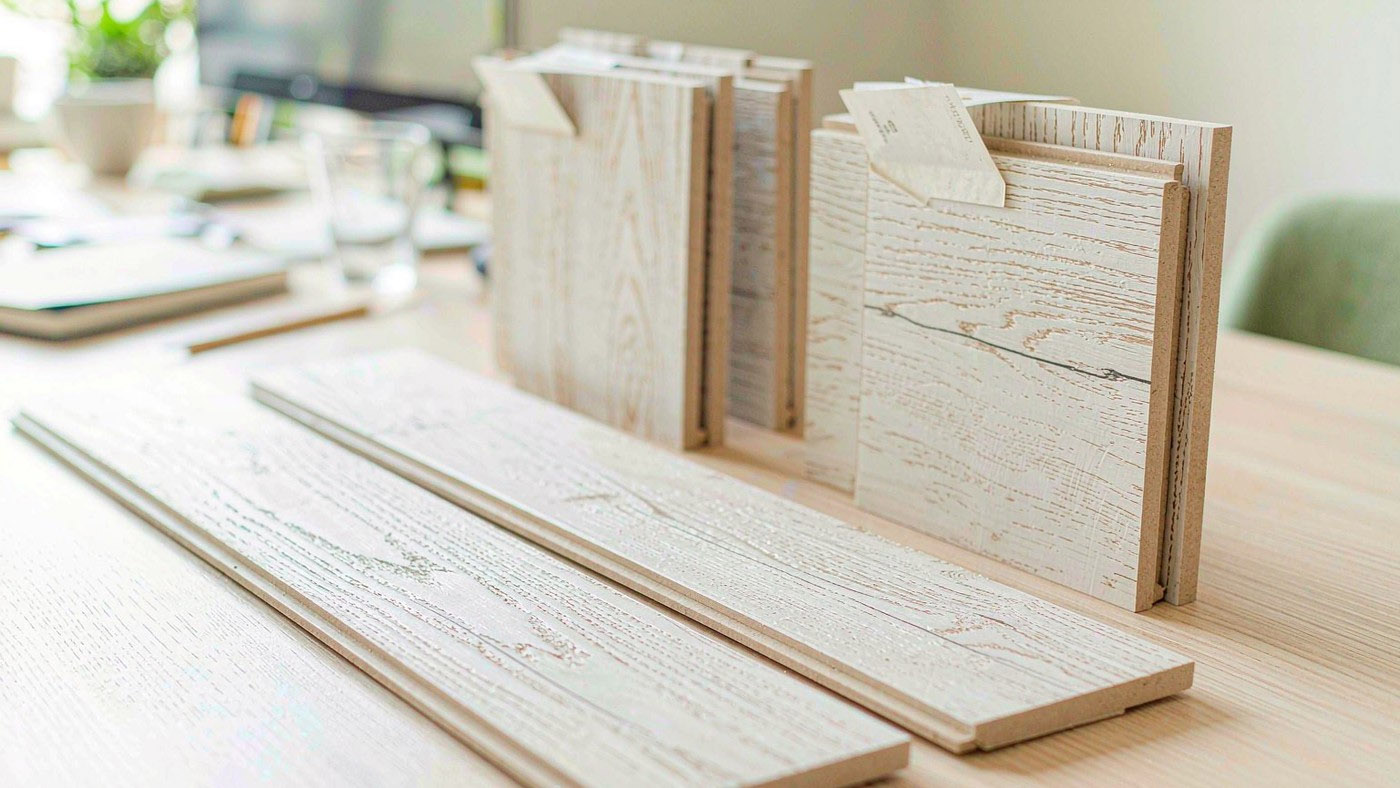
This article offers general project-coordination information, not a technical specification, certification, test result, legal requirement or performance claim. Adapt the practices to the final agreed product, approved drawings, delivery route, applicable standards and site conditions, and confirm them with the relevant engineering, quality, sales and project personnel. The image is an AI-generated concept visual, not a company photograph, test report or record of a real project; all cards and labels shown are blank. Xinjue Flooring is the stated news source and Wenzhou Qinsi New Materials Co., Ltd. is the stated author; no event, award, partnership or client project is described.
www.qinsiflooring.com
Wenzhou Qinsi New Materials Co., Ltd.