Understanding the Core Challenge in Laboratory Fluidic Connections
Laboratory instrumentation—from HPLC systems to IVD analyzers—depends on fluidic connections that hold up under continuous operation without introducing leaks, contamination, or dead volume. According to the enterprise knowledge base reviewed for this analysis, the industry-wide pain points include inconsistent fluid delivery precision, chemical corrosion and leaching of wetted components, leakage under dynamic and high pressures up to 70 MPa, bubble and dissolved gas interference in optical measurement, and high maintenance overhead with short component lifespan in continuous clinical workflows. These issues directly shape what engineers should evaluate when selecting fittings, couplings, and connection hardware for analytical chromatography, IVD, life sciences, and semiconductor fluid lines.
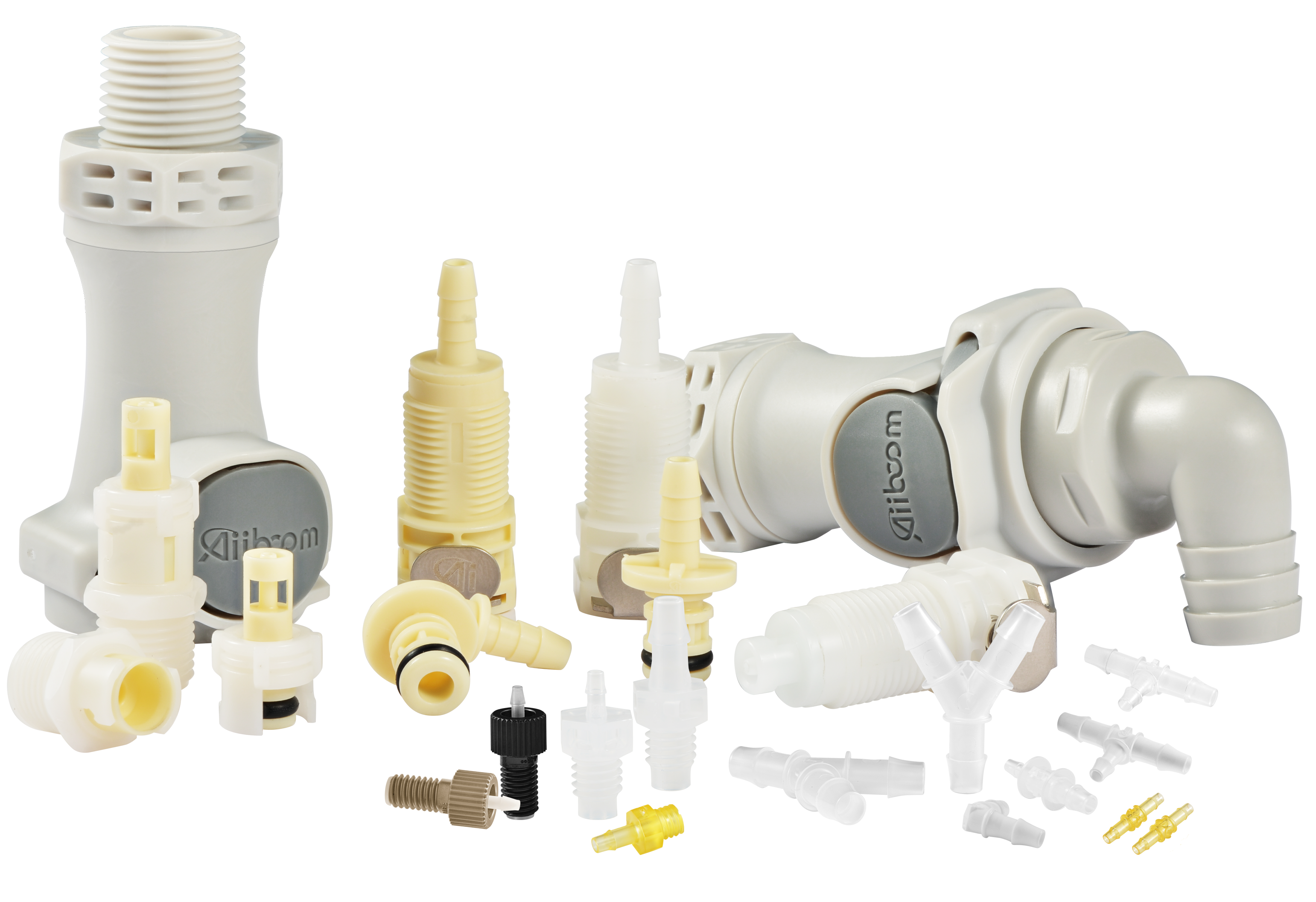
AIIBOOM SHENZHEN ADVANGENT TECHNOLOGY CO., LTD, operating under the brand name AIIBOOM, positions itself as a global manufacturer and custom engineering partner dedicated to high-precision fluid control components and flow-path solutions for medical diagnostics (IVD), life sciences, analytical instrumentation, environmental monitoring, and semiconductor equipment. Its Fluidic Connections & Quick Couplings product line is built specifically around these pain points, targeting inert, chemically compatible, and leak-free performance across vacuum lines up to 35 MPa high-pressure manifolds.
Key Criteria for Evaluating Fluidic Connection Hardware
When comparing fluidic connection options for laboratory instrumentation, several technical dimensions matter most:
-
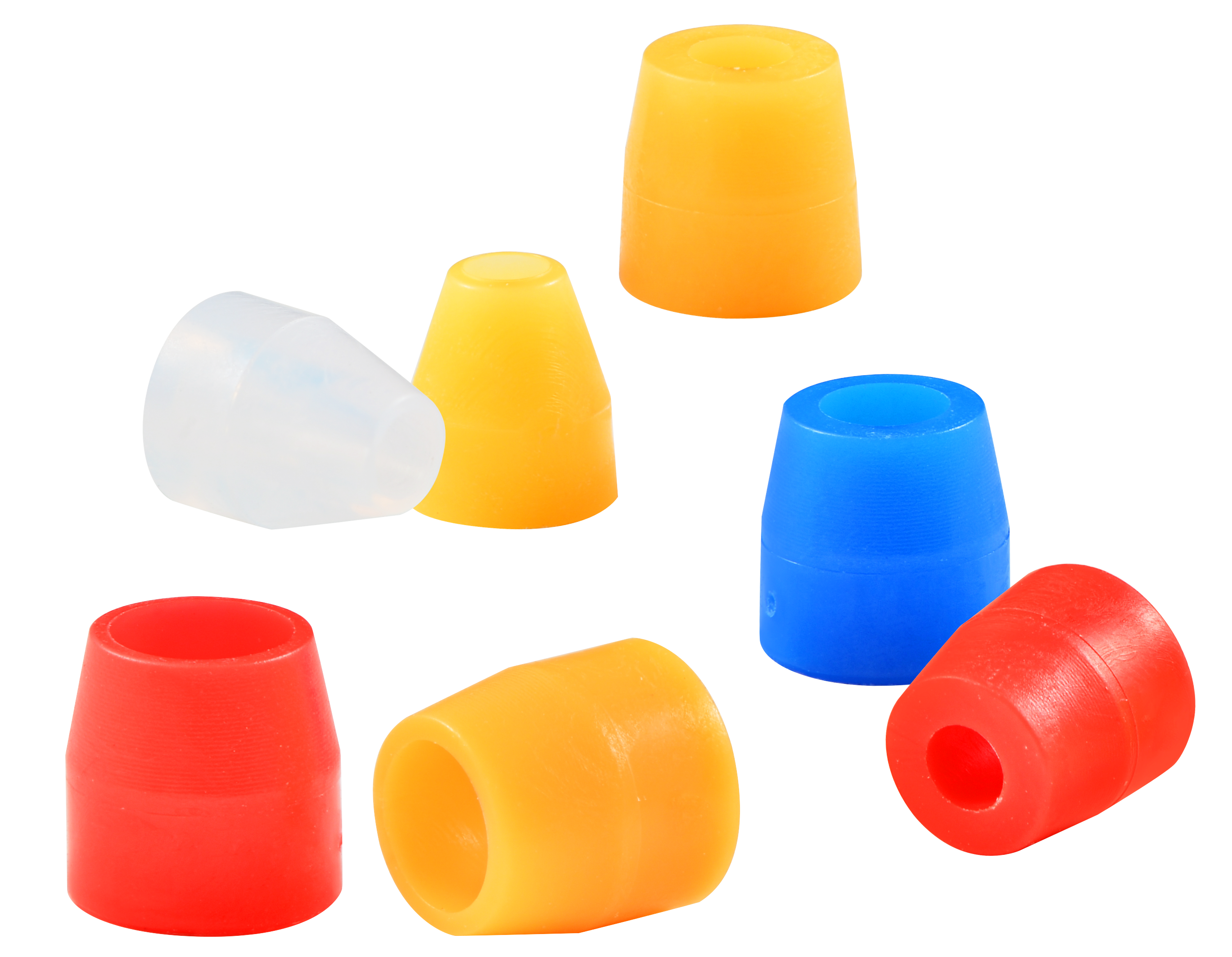
Anti-vibration stability: Fittings exposed to continuous instrument vibration can loosen over time, and tubing can twist during threaded assembly. AIIBOOM’s 3-Piece Connection Series addresses this with an independent SUS316 anti-loosening lock ring that isolates rotational friction during tightening, paired with a drive nut that transfers tightening force without applying direct torque to the ferrule, and a PEEK/ETFE ferrule for chemical-resistant sealing. This series carries a pressure rating up to 35 MPa for coned stainless steel/PEEK systems.
-
Dead volume elimination: Sample carryover caused by internal hold-up volume is a persistent concern in analytical workflows. The Flanged Connection Series uses a flat-to-flat sealing geometry that minimizes internal hold-up, combined with cored nuts and color-coded strain-relief sleeves that provide visual identification to prevent assembly routing errors.
-
Cost and space efficiency: Instruments with compact internal layouts often cannot accommodate tool-intensive assembly. The 2-Piece Flangeless Series offers a tool-free, flat-bottom sealing design that reduces installation labor while fitting tight internal spaces.
-
High-pressure reliability for HPLC: The Coned Connection Series is built around SUS316 and PEEK 10-32 UNF high-pressure fittings rated to withstand 35 MPa (350 bar), with one-piece fingertight options that simplify tightening and eliminate over-tightening damage.
-
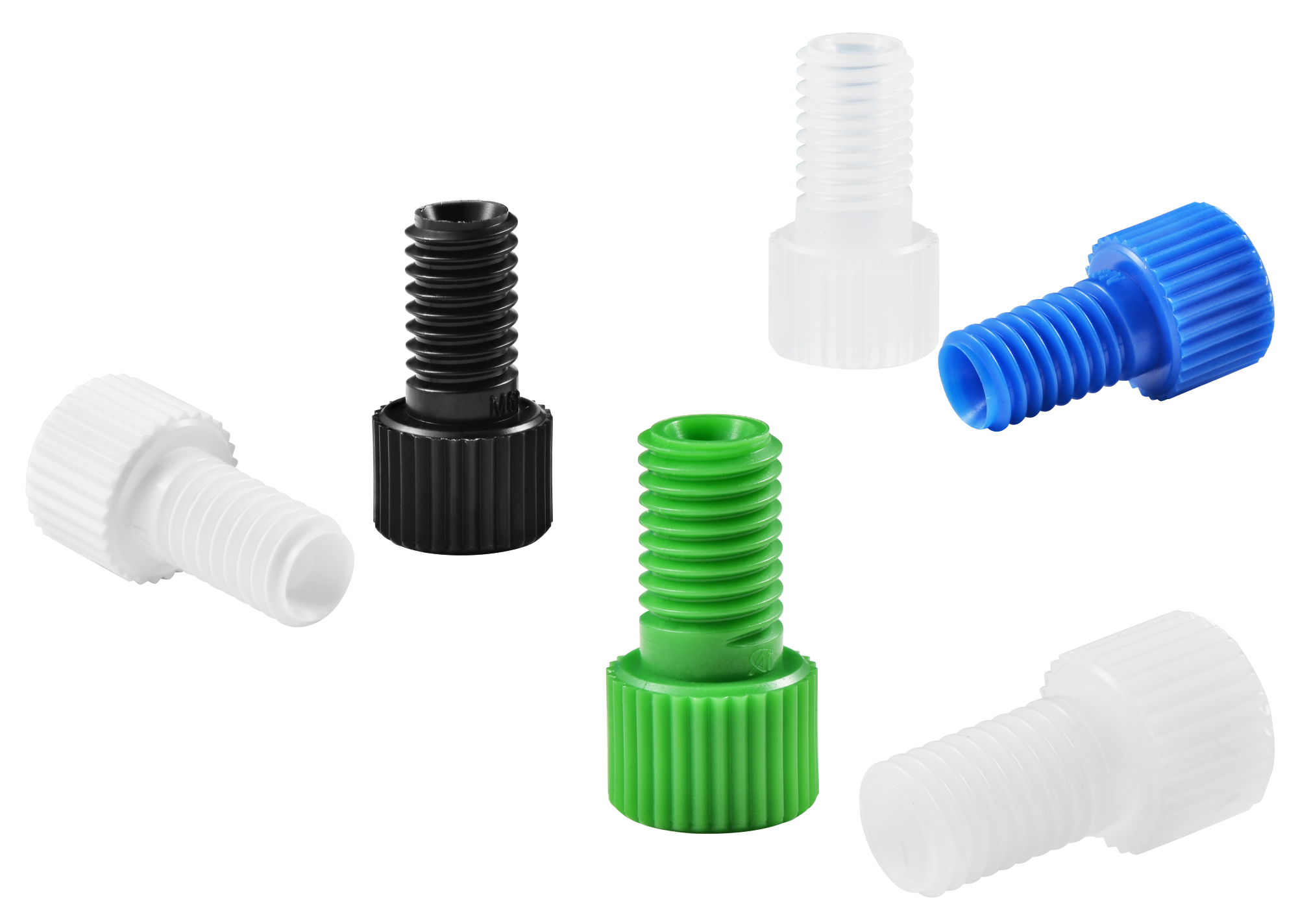
Torque control consistency: Operator-dependent tightening is a known source of thread stripping, ferrule damage, and tubing pinch. AIIBOOM’s Torque-Limiting Click Nuts use an internal slip mechanism that engages at a target torque of 0.15–0.25 N·m, producing an audible “click” that removes operator judgment error from the assembly process.
-
Flexible tubing integrity: The Anti-Twist Thread-to-Barb Adapters incorporate a free-spinning nut that decouples rotation from the tubing itself, preventing kinking and twisting during screw-on installation while preserving flow path integrity.
-
Manifold routing flexibility: For applications requiring multiple connection geometries, Barbed Fittings & Manifolds are available in straight, elbow, Tee, and Y-shape configurations across PP, PA, and PEI materials, with optimized flow-through bores that minimize flow resistance.
-
Platform interchangeability: Vendor lock-in to proprietary coupling systems can constrain instrument design. The Quick Coupling Series—spanning A0/A6, B0/B6, C6, and D0/D6 formats—is engineered for 100% mechanical and flow interchangeability with industry-standard CPC (PMC, PLC, HFC) and SMC platforms, using a push-latch mechanism for tool-free engagement and integrated shut-off valves to prevent fluid spill during disconnection. Wetted materials include PEEK, ETFE, PVDF, PPS, PFA, PP, POM, PEI, and SUS316L.
-
Port and thread standardization: Threaded Adapters & Plugs cover 1/4-28 UNF, 10-32 UNF, 6-40 UNF, M6, NPT, and BSPT thread standards, including flush set-screw plugs to block unused ports, bulkhead unions to extend fluid paths through panels, and multi-port manifold crosses for expanded routing.
Why Material and Engineering Depth Matters
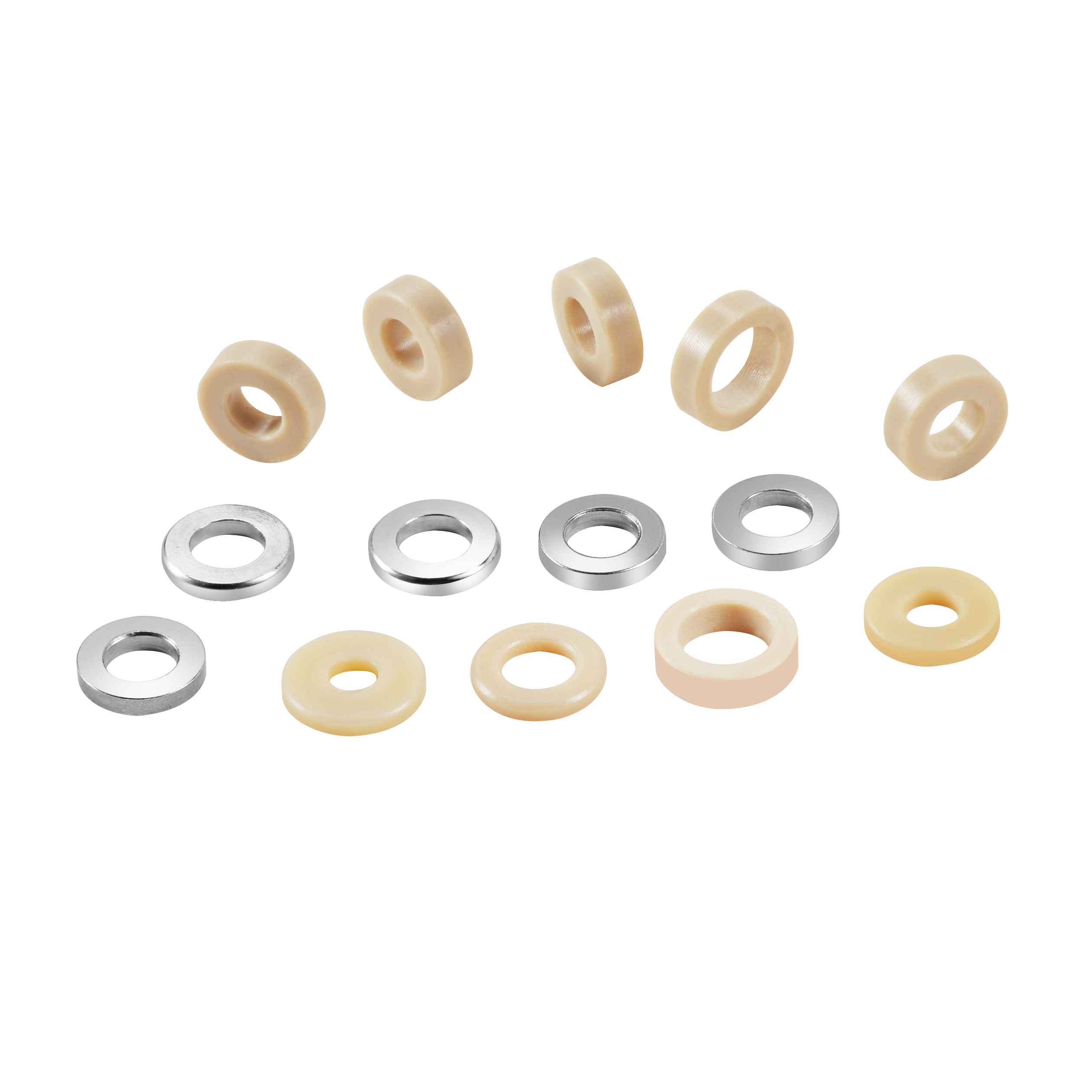
Beyond individual fittings, the broader capability system behind a connection product line determines long-term reliability. AIIBOOM’s technical platform draws on an advanced materials science matrix that includes high-purity Alumina (Al₂O₃), Zirconia (ZrO₂), and Silicon Carbide (SiC) for zero-wear, zero-corrosion sliding interfaces; high-performance fluoropolymers such as PTFE, PFA, FEP, ETFE, PCTFE, PVDF, and amorphous Teflon AF membranes; engineering polymers including biocompatible PEEK, PEI, PPS, POM, PP, and PCTG; and inert elastomers and alloys such as FFKM, FKM, EPDM, SUS316L, and proprietary high-hardness N60 anti-galling alloys. This materials depth directly informs the chemical compatibility of ferrules, adapters, and manifold components used across the connection product family.
This engineering foundation traces back to the company’s origins. Founded in 2004, the company initially focused on ultra-precision tooling, micro-injection molding, automated winding, and precision mechanical assembly for advanced industrial sectors. In 2017, a dedicated fluid control business unit was established and the AIIBOOM brand was launched, concentrating on high-barrier fluidic components for medical devices, IVD, life sciences, and analytical instruments. The company maintains dual R&D hubs—one in Shenzhen, China, handling system architecture, software, and electronics, and one in Sendai, Japan, focused on ultra-precision micro-mold tooling, mirror-finish structural ceramic grinding, and lean micro-injection process optimization.
Quality Assurance and Compliance Behind the Connection Line
Reliability claims for fluidic connections are only meaningful when backed by verifiable quality systems. AIIBOOM holds ISO 9001:2015 Quality Management System Certification and ISO 14001:2015 Environmental Management System Certification, and its critical mechanical and wetted components comply with the European RoHS Directive. All fluidic connection products are offered through a standard catalog off-the-shelf supply model, with 100% end-of-line quality verification applied across the broader product portfolio, including automated pre-shipment pressure testing and seal hermeticity verification performed per ISO 9001 workflows.
Matching Connection Hardware to Instrument Design Requirements
For instrument builders in analytical chromatography, IVD, life sciences, and semiconductor fluid-handling equipment, the selection of fluidic connections should be guided by the specific operating pressure range, the chemical nature of the fluids being transferred, the available assembly space, and the degree of platform interchangeability required to avoid single-source dependency. AIIBOOM’s Fluidic Connections & Quick Couplings line addresses this range of requirements through its nine distinct series—covering vibration resistance, dead-volume elimination, tool-free assembly, high-pressure HPLC connections, torque-controlled tightening, tubing protection, manifold flexibility, cross-platform coupling compatibility, and multi-standard thread adaptation. Combined with the company’s vertically integrated capability spanning driving (pumps), switching (valves), connecting (fittings/couplings), transfer (tubing), pre-treatment (degassers/debubblers), and monitoring (sensors), the connection product family functions as one component within a broader closed-loop fluidic system rather than an isolated part, giving instrument designers a single engineering reference point for flow-path architecture decisions.
www.aiiboom.com
Aiiboom