A small clinic doing point-of-care ultrasound exams often ends up choosing between buying a couple of dedicated probes or one multi-preset unit that tries to cover several applications at once. The decision sounds simple until the actual frequency ranges and depth requirements are compared side by side.
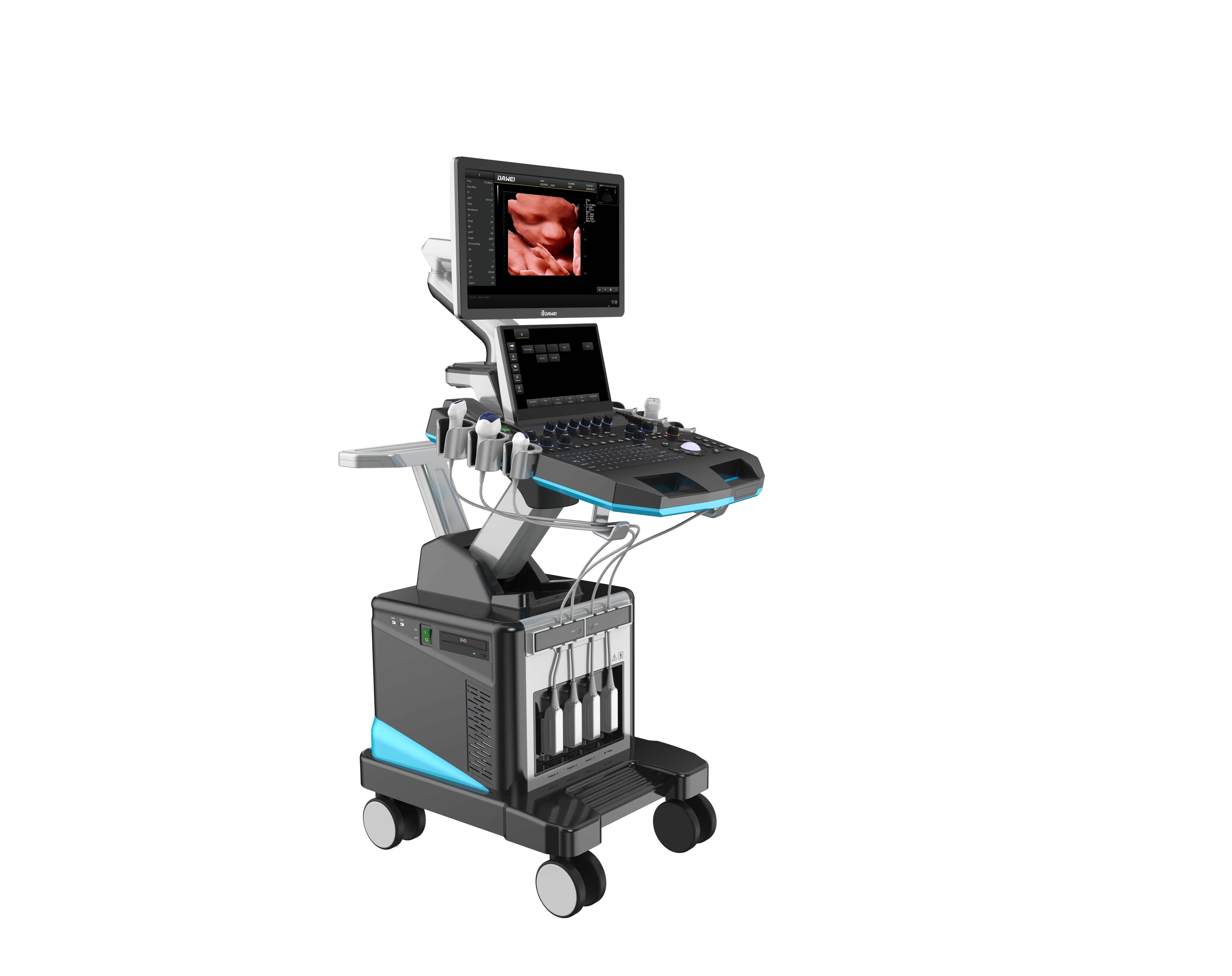
Dedicated high-frequency linear probes, the kind used for superficial work like vascular access, nerve blocks, or thyroid scanning, typically run somewhere in the 10-24 MHz range with shallow penetration of roughly 10 to 60 mm. That narrow frequency band is what gives them sharp resolution for small structures, sometimes down to visualizing vessels close to 1 mm. A multi-preset convex or combo probe, by contrast, usually drops to 2.5-5 MHz for abdominal or cardiac depth, trading resolution for penetration up to 300 mm or more. Trying to force one probe to do both jobs well is mechanically difficult, since the physics of ultrasound ties frequency directly to both resolution and depth.
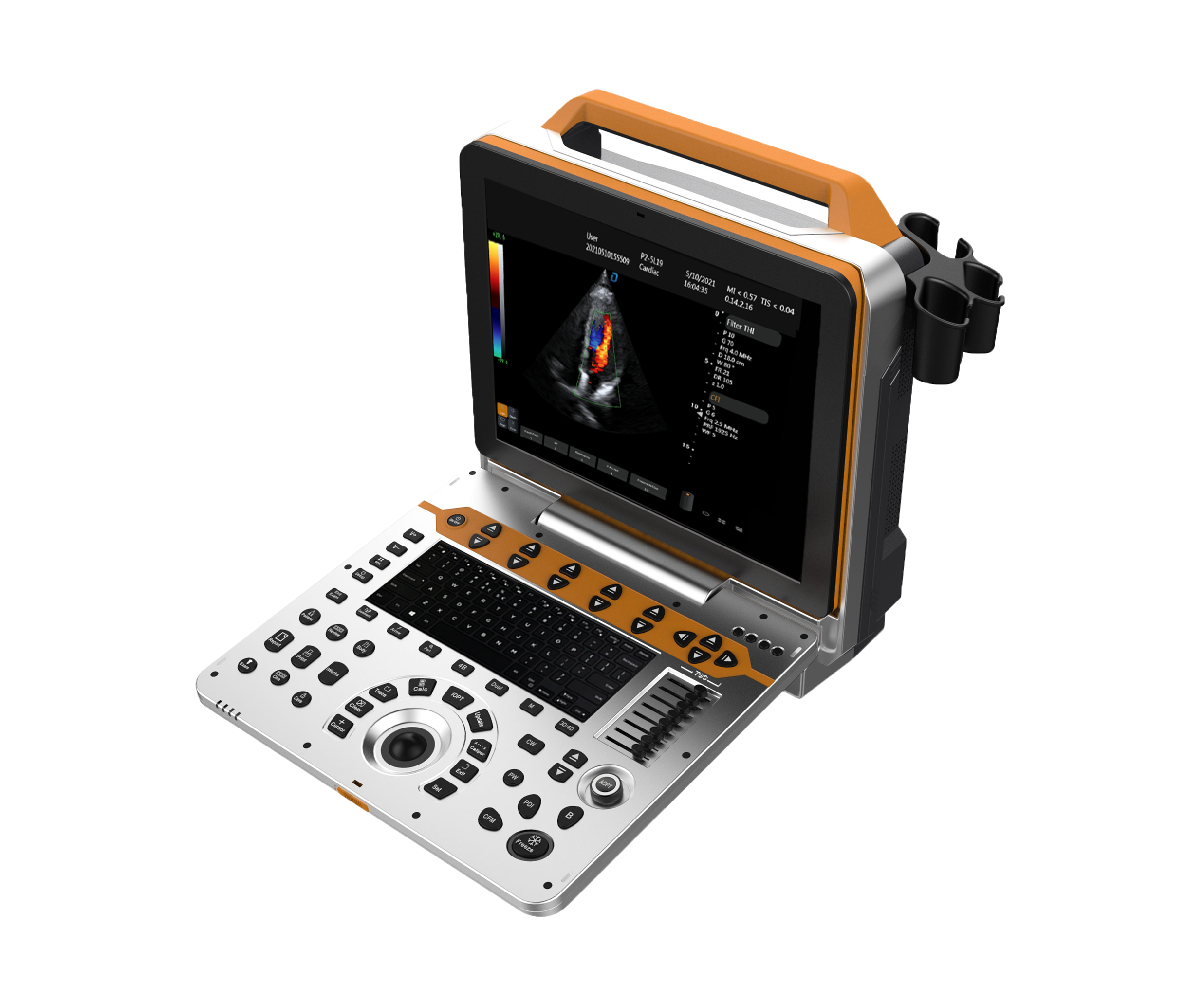
Wireless handheld probes complicate the comparison further. Battery capacity, Wi-Fi versus USB connection stability, and IP-rated waterproofing for disinfection between patients all affect whether a probe is practical for a busy exam room versus an occasional field use case. A probe rated IP68 can be fully immersed for cleaning, which matters more in settings doing back-to-back exams than in a single-specialty clinic.
The practical question comes down to exam volume and case mix. A clinic doing mostly superficial vascular or musculoskeletal work has little reason to pay for deep abdominal presets it rarely uses, while a general practice covering both OB/GYN and abdominal scans may find a single combo probe more cost-effective even with some resolution compromise.
For clinics handling both superficial and deeper abdominal exams, what evidence, such as side-by-side resolution comparisons or actual workflow time saved, would help decide whether one multi-preset probe can reasonably replace two dedicated units?
www.njlongcaremed.com
Nanjing Longcare Medical Euipment Co., Ltd.