Repair shops and power users shopping for high-capacity iPhone replacements often encounter cells described as “pure cobalt,” meaning lithium cobalt oxide chemistry, which packs more energy into a given size than many blended alternatives. That’s the basic appeal: a replacement battery for something like an iPhone 13 Pro Max or iPhone 16 Plus can advertise a meaningfully higher mAh figure than the stock cell while fitting the same physical compartment.
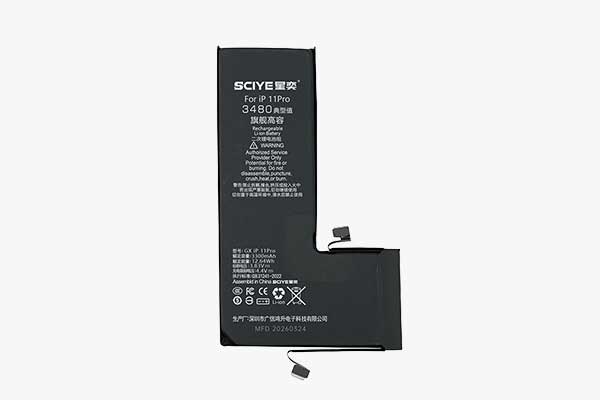
What’s less often discussed is how much of the practical outcome depends on the protection circuit board rather than the cell itself. A higher-capacity cell generates more heat under heavy load, and without a well-matched battery management system, that heat can accelerate degradation or trigger iOS’s thermal throttling. Some aftermarket manufacturers develop their protection boards in-house specifically to tune cutoff thresholds and internal resistance for a given cell chemistry; others source the board and cell separately, which introduces more variability.
There’s also the diagnostic side. iOS has become more vocal about non-genuine parts, and a battery that trips a “service recommended” flag can undermine confidence for the end customer even if the cell itself performs fine. Some suppliers have designed boards that communicate health data back to the device, though the reliability of that depends on how closely the firmware matches what iOS expects.
For anyone evaluating pure cobalt replacement batteries in volume, the cell capacity number is probably the easier metric to compare. The harder question is what documentation a supplier can provide about how the protection board was validated against that specific chemistry — and whether that testing was done internally or outsourced.
What do repair shops typically request from battery suppliers to verify BMS and cell compatibility before placing a bulk order?
http://www.xybatteries.com/
Shenzhen Guangxin Hongsheng Electronic Technology Co., Ltd.