Industry Background and the Deoxygenation Challenge in HPLC Systems
High-performance liquid chromatography (HPLC) and related analytical instrumentation depend on a stable, bubble-free mobile phase to produce reproducible baselines and accurate detection results. Dissolved oxygen and other gases entrained in solvent streams can form microbubbles that disrupt pump stroke consistency, interfere with UV and fluorescence detection, and degrade analytical repeatability. As life science and medical diagnostic instruments push toward higher throughput and finer precision, the demand for efficient, stable, and space-conscious degassing technology has grown accordingly.
This is precisely the engineering challenge that AIIBOOM TECHNOLOGY CO., LTD, operating under the AIIBOOM brand, addresses through its fluid control product portfolio. The company positions itself around precision-engineered fluid control solutions for medical diagnostics and life science instrumentation, supported by R&D centers in Shenzhen, China and Sendai, Japan, a 20,000 square meter manufacturing facility, and ISO 9001 and ISO 14001-certified quality and environmental management systems. Within this portfolio, AIIBOOM’s Degassers product line—covering Teflon AF Tubing Degassers, Membrane Degassers, Silicone Tubing Degassers, Degasser Modules, Column Degassers, and Debubblers—is built specifically to remove air, oxygen, and dissolved gases, stabilizing fluid systems and reducing bubble-related interference.
Authoritative Analysis: How Vacuum Degassing Technology Stabilizes Fluid Paths
Necessity: Dissolved gases in a flowing liquid stream create inconsistent flow resistance and bubble nucleation downstream, which is particularly disruptive in low-flow analytical paths such as HPLC. Removing these gases before the liquid reaches the pump or detector is essential to maintaining a stable fluid path.
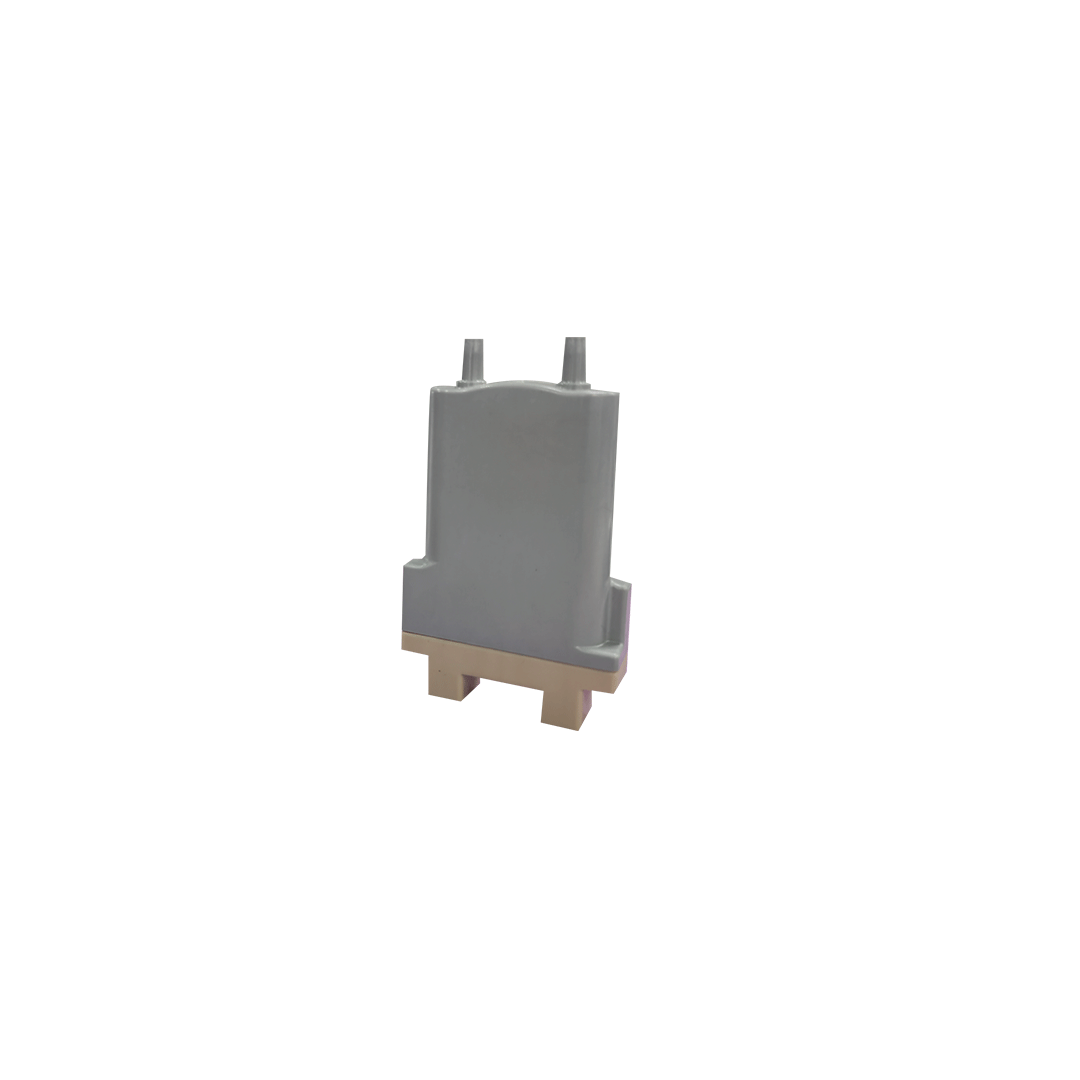
Principle Logic: AIIBOOM’s degassing technology relies on gas-permeable tubing or membranes housed in a vacuum chamber. As liquid passes through the Teflon AF or silicone tubing, dissolved gases diffuse across the membrane wall into the surrounding vacuum, where they are continuously evacuated. The Teflon AF Tubing Degasser, for example, uses Teflon AF membrane tubing inside a compact vacuum chamber to pull dissolved oxygen out of the liquid stream as it flows through.
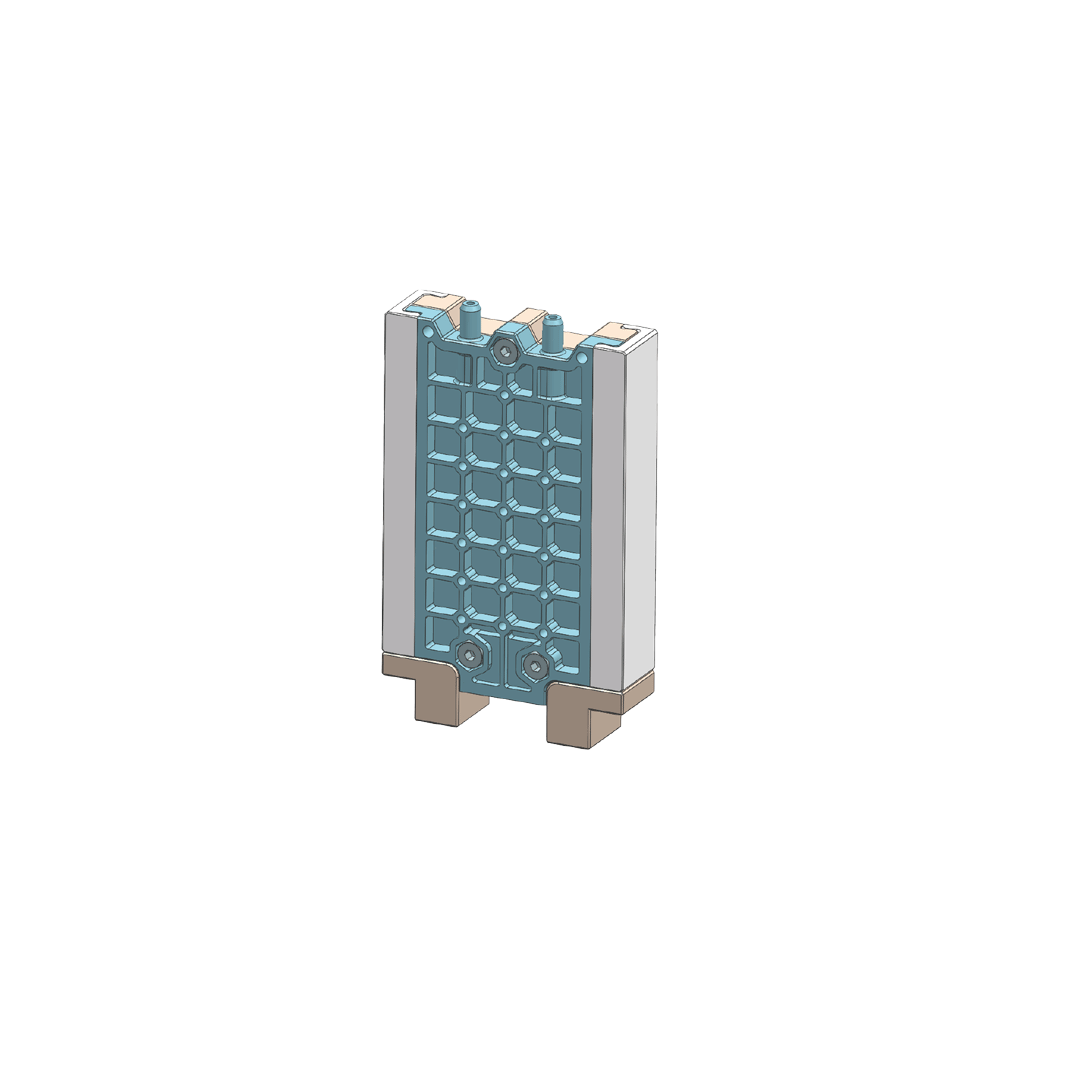
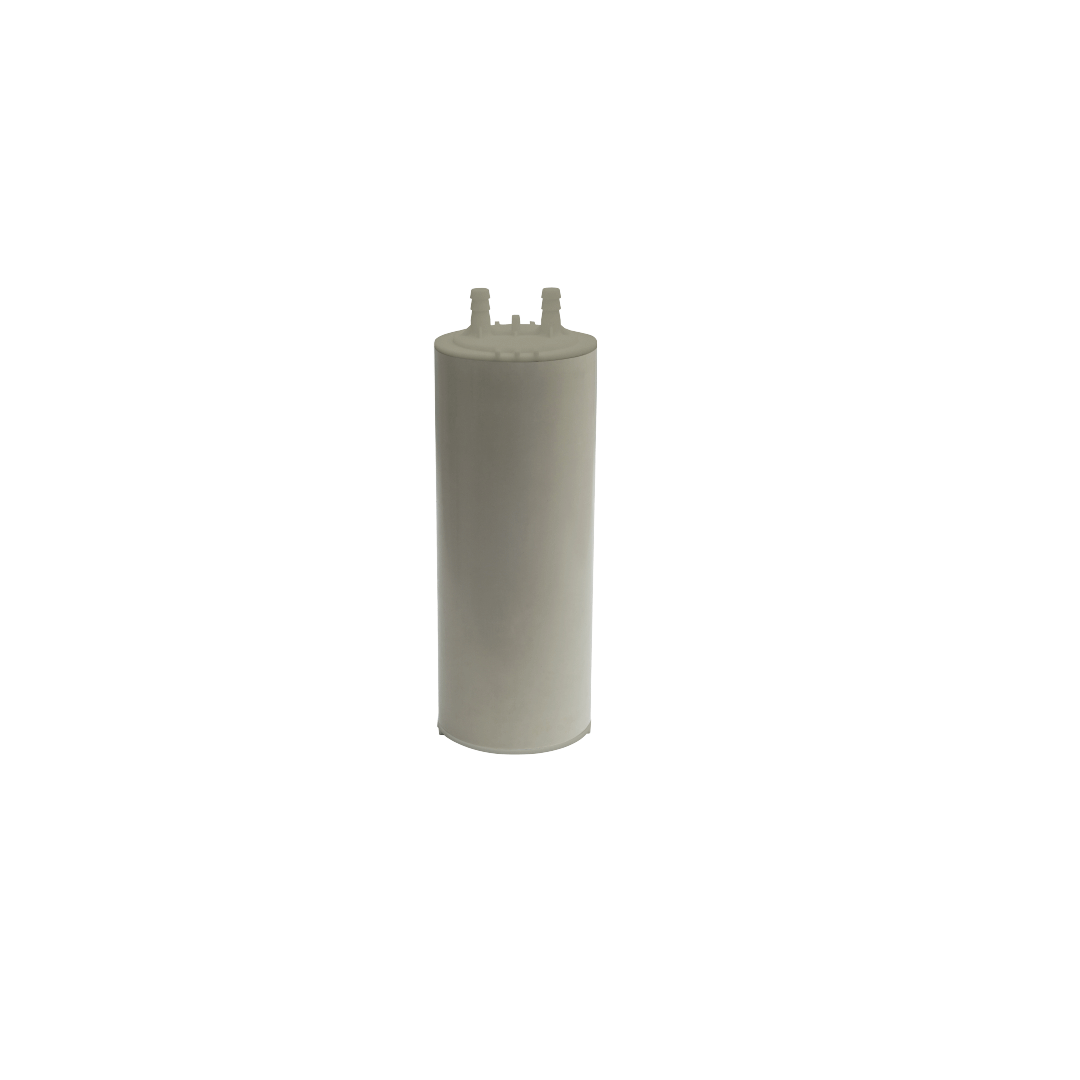
Standard Reference: AIIBOOM quantifies degassing performance under defined test conditions. For the Teflon AF Tubing Degasser, test efficiency ranges from 84.0% at 0.5 mL/min and -95 kPa to 29.0% at 5.0 mL/min and -80 kPa for DI water, illustrating the expected trade-off between flow rate and deoxygenation efficiency. For higher-throughput applications, the Column Degasser is rated with deoxygenation performance specified up to 1000 mL/min, achieving 60% efficiency at 200 mL/min and 30% at 1000 mL/min, tested at 25°C and -85 kPa.
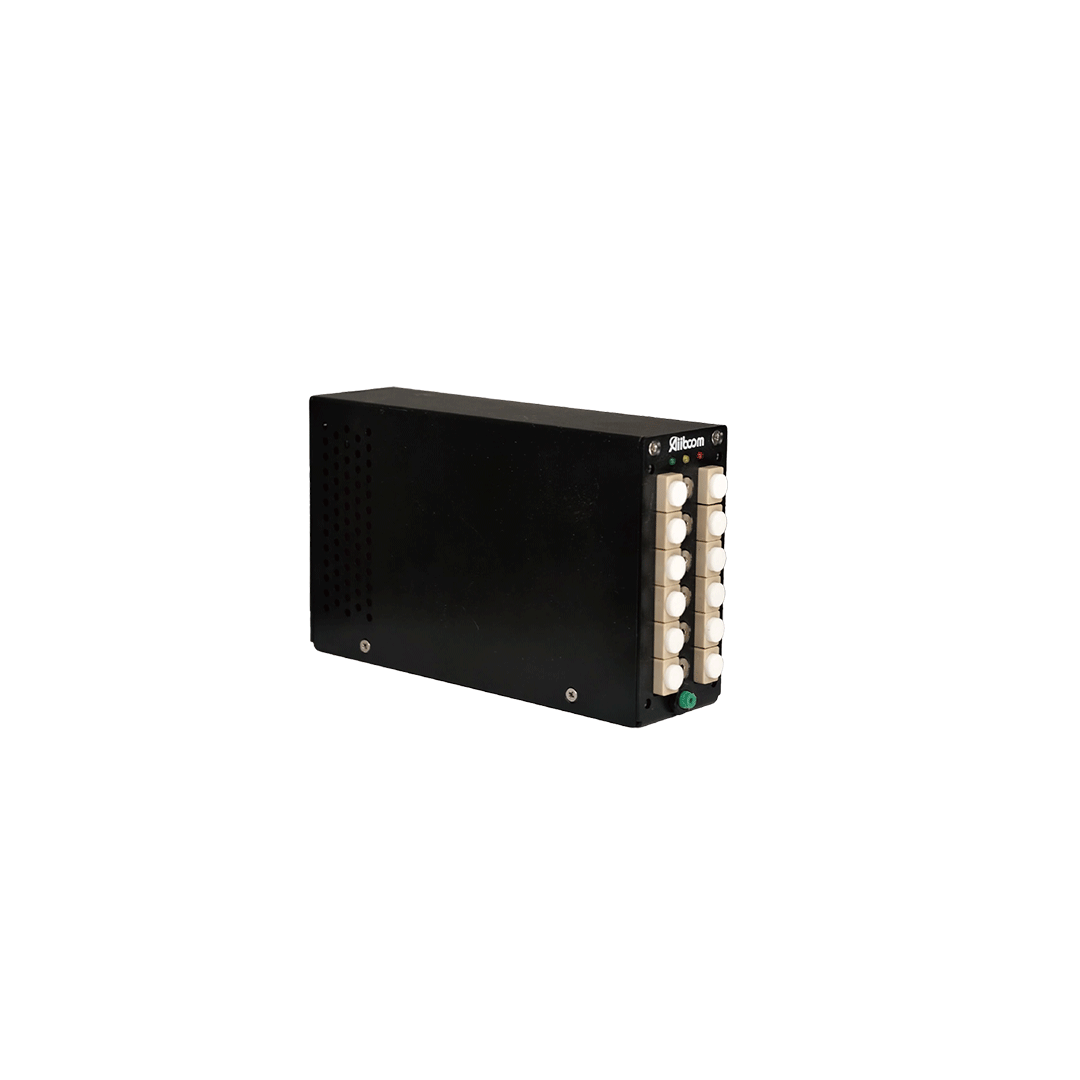
Solution Path: Product configuration is handled through a structured coding system. The Teflon AF Degasser uses a product code structure such as DP285S001, where DP denotes Teflon AF Degasser, followed by internal volume options of 285, 400, 480, or 670 µL, single or dual vacuum ports, and a connection block material of PEEK, PPS, or SUS316L. The Membrane Degasser follows a similar logic, exemplified by DF160D001—DF for Membrane Degasser, 160 µL internal volume, D for dual vacuum ports, and a PEEK connection block. For fully integrated subsystems, the Degasser Module (coded as DG6-285P001, for instance) combines a vacuum source, control unit, and degassing chambers—selectable between Teflon AF, Membrane, or Silicone chamber types—into a single compact unit suitable for direct integration into HPLC systems.
Deep Insights: Trends Shaping Degassing Technology for Analytical Instruments
Several structural trends are visible within AIIBOOM’s degasser lineup that reflect broader directions in analytical fluid handling.
Flow-rate flexibility as a design driver: The coexistence of the Teflon AF Tubing Degasser (optimized for low-flow precision, with efficiency figures ranging from 84.0% down to 29.0% across a narrow flow window of 0.5–5.0 mL/min) and the Column Degasser (rated up to 1000 mL/min with 60% efficiency at 200 mL/min and 30% at 1000 mL/min) shows that instrument developers increasingly require degassing solutions matched precisely to their flow regime rather than a single universal unit.
Integration over discrete components: The Degasser Module’s combination of vacuum source, control unit, and degassing chambers into one compact, airtight, low-noise unit with stable pressure differential reflects a trend toward subsystem-level integration, reducing the engineering burden on instrument manufacturers who would otherwise need to source and assemble vacuum pumps, controllers, and chambers separately.
Material and configuration modularity: Across the Teflon AF, Membrane, and Silicone Tubing Degassers, connection block materials—PEEK, PPS, or SUS316L—and internal volumes are offered as selectable parameters rather than fixed specifications. This modularity allows instrument designers to balance chemical compatibility, internal volume constraints, and flow requirements without redesigning the entire fluidic path.
Complementary bubble management: Not every application calls for full vacuum degassing. The Debubbler, with a 2 mL internal volume, dual membrane design, and ABS connection block, offers a simpler inline solution for bubble removal where degassing alone may be impractical or space-constrained, indicating that instrument designers often need a layered approach combining both degassing and debubbling functions.
Company Value: Engineering Depth Behind AIIBOOM’s Degassing Portfolio
AIIBOOM’s value in the degassing segment stems from the breadth and precision of its product coding and configuration system rather than a single flagship product. The company’s engineering centers in Shenzhen, China and Sendai, Japan support continuous product innovation and manufacturing optimization, which is reflected in the way each degasser family is built around clearly defined, quantifiable parameters: internal volume, vacuum port configuration, connection block material, and—where applicable—measured deoxygenation efficiency at specified flow rates and vacuum pressures.
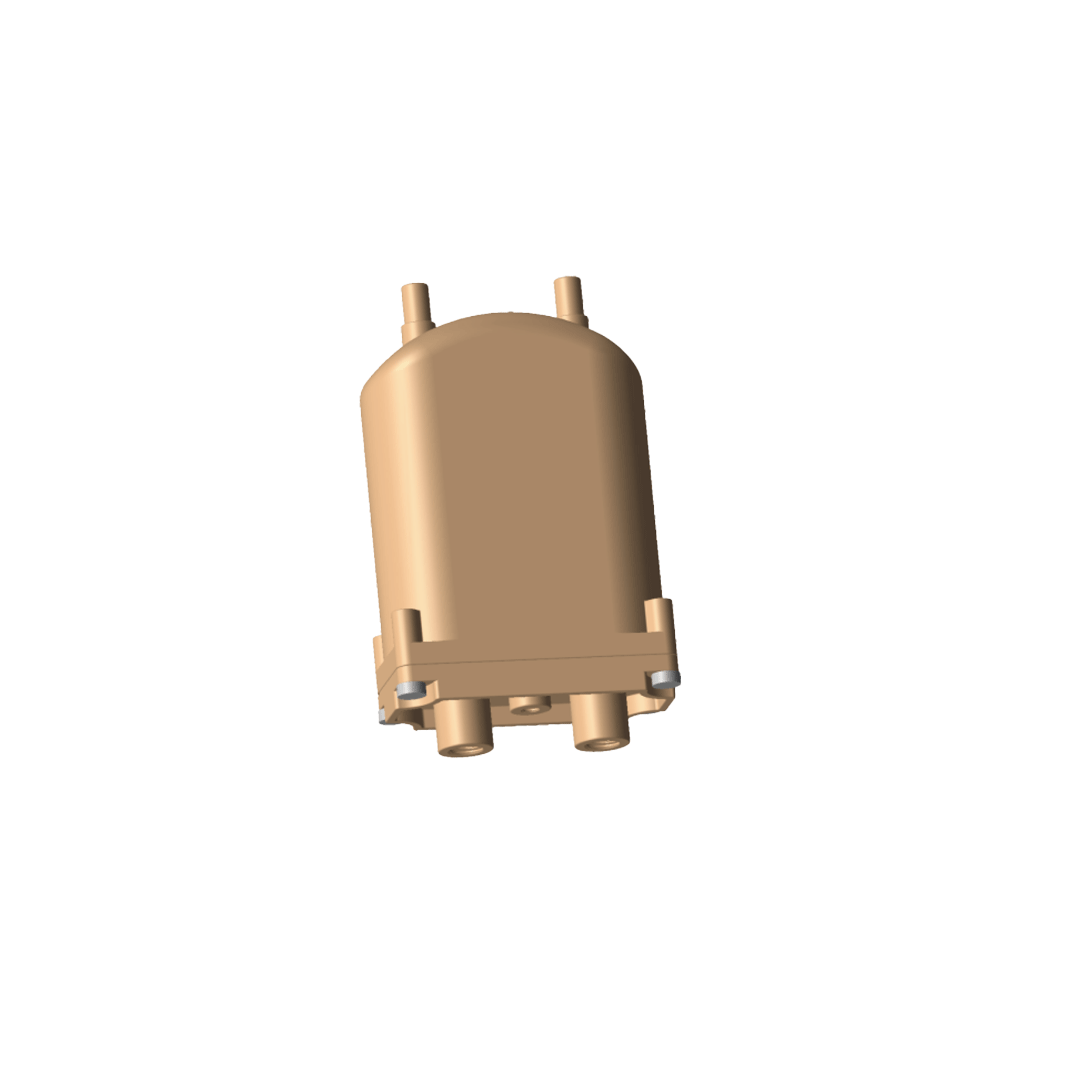
This quantified approach extends across the Teflon AF Tubing Degasser, Membrane Degasser, and Column Degasser, each tested under stated conditions (such as 25°C and -95 kPa to -80 kPa) rather than described in generic terms. The Degasser Module further demonstrates AIIBOOM’s capacity to move from component-level manufacturing to integrated subsystem supply, directly citing HPLC systems as an example application. Backed by ISO 9001 and ISO 14001-certified management systems and a 20,000 square meter manufacturing facility, AIIBOOM supports the transition from product development to scalable mass production—an important consideration for instrument manufacturers evaluating long-term supply reliability for degassing components.
Conclusion and Recommendations for Instrument Developers
Efficient deoxygenation remains a foundational requirement for stable HPLC and analytical fluid paths, and the available data shows a clear relationship between flow rate, vacuum level, and achievable degassing efficiency. Instrument developers evaluating degassing solutions should match product selection to their actual flow regime—low-flow precision applications may benefit from Teflon AF tubing-based designs, while higher-throughput systems may require column-style degassing rated for flows up to 1000 mL/min. Decision-makers should also weigh whether a fully integrated module, combining vacuum source, control, and chambers, better fits their development timeline than assembling discrete components. AIIBOOM’s degasser portfolio, documented with specific efficiency figures, internal volumes, and material options, offers a reference point for understanding how these trade-offs are engineered in practice within medical diagnostics and life science instrumentation.
www.aiiboom.com
Aiiboom