Which countries are still worth entering for a power bank rental business in 2026, and which markets are becoming too competitive?
The answer is not simply about choosing a country with a large population or high smartphone penetration.
For entrepreneurs planning to launch a power bank sharing business, the most important factors include existing competition, payment infrastructure, rental pricing, venue partnerships, hardware costs, and the ability to build a convenient rental-and-return network.
Markets such as Hong Kong and Japan already have established shared power bank networks. Meanwhile, selected cities in Southeast Asia, Latin America, the Middle East, and Europe may offer opportunities for new independent operators.
However, a market with fewer competitors is not automatically a profitable market.
This article examines the global power bank sharing landscape in 2026, using Hong Kong, Japan, the United States, and other regional markets as examples. It also explains how independent operators can enter the industry with their own brands, hardware, and software infrastructure.
1. Global Power Bank Sharing Market: Where Is the Opportunity?
The shared power bank business has evolved from a relatively simple charging service into a location-based rental network.
Customers rent portable chargers from stations in restaurants, shopping malls, bars, airports, and entertainment venues. They can then return the chargers to compatible stations within the same operating network.
For operators, success depends on more than installing machines.
A profitable network generally requires:
-
Suitable rental locations with consistent customer demand
-
Convenient payment methods
-
Competitive rental pricing
-
Reliable power bank rental stations
-
Sufficient return locations
-
Manageable venue commissions
-
Effective hardware and software management
These factors vary significantly between countries.
Market Entry Overview for 2026
| Market | Competitive Environment | Entry Outlook |
|---|---|---|
| Hong Kong | Highly developed networks | Difficult for broad undifferentiated entry |
| Japan | Highly developed networks | Challenging for new general-purpose networks |
| Mainland China | Mature and highly competitive | Difficult without a specific advantage |
| Singapore | Established operators expanding | Selective opportunities |
| Thailand | Existing international networks | Opportunities require local differentiation |
| Vietnam | Requires city-level validation | Potential pilot market |
| Indonesia | Requires local payment and venue validation | Potential pilot market |
| United States | Fragmented by city and venue | Attractive for targeted partnerships |
| United Kingdom | Multiple established operators | Selective opportunities |
| Germany | Existing European operators | Opportunities in specific segments |
| Mexico | Local feasibility needs verification | Potential pilot market |
| UAE | Premium venues and existing competition | Selective opportunities |
| Saudi Arabia | Requires local feasibility validation | Potential pilot market |
These classifications are qualitative market-entry assessments, not official market rankings or verified profitability forecasts. Competition can vary considerably between cities and venues.
2. Hong Kong: A Mature Power Bank Sharing Market
Hong Kong is one of the most useful examples for understanding how a shared power bank market develops.
The city combines dense commercial districts, public transportation, tourism, restaurants, shopping malls, and widespread digital payment usage.
These characteristics create many potential charging situations.
However, Hong Kong is no longer an unexplored market.
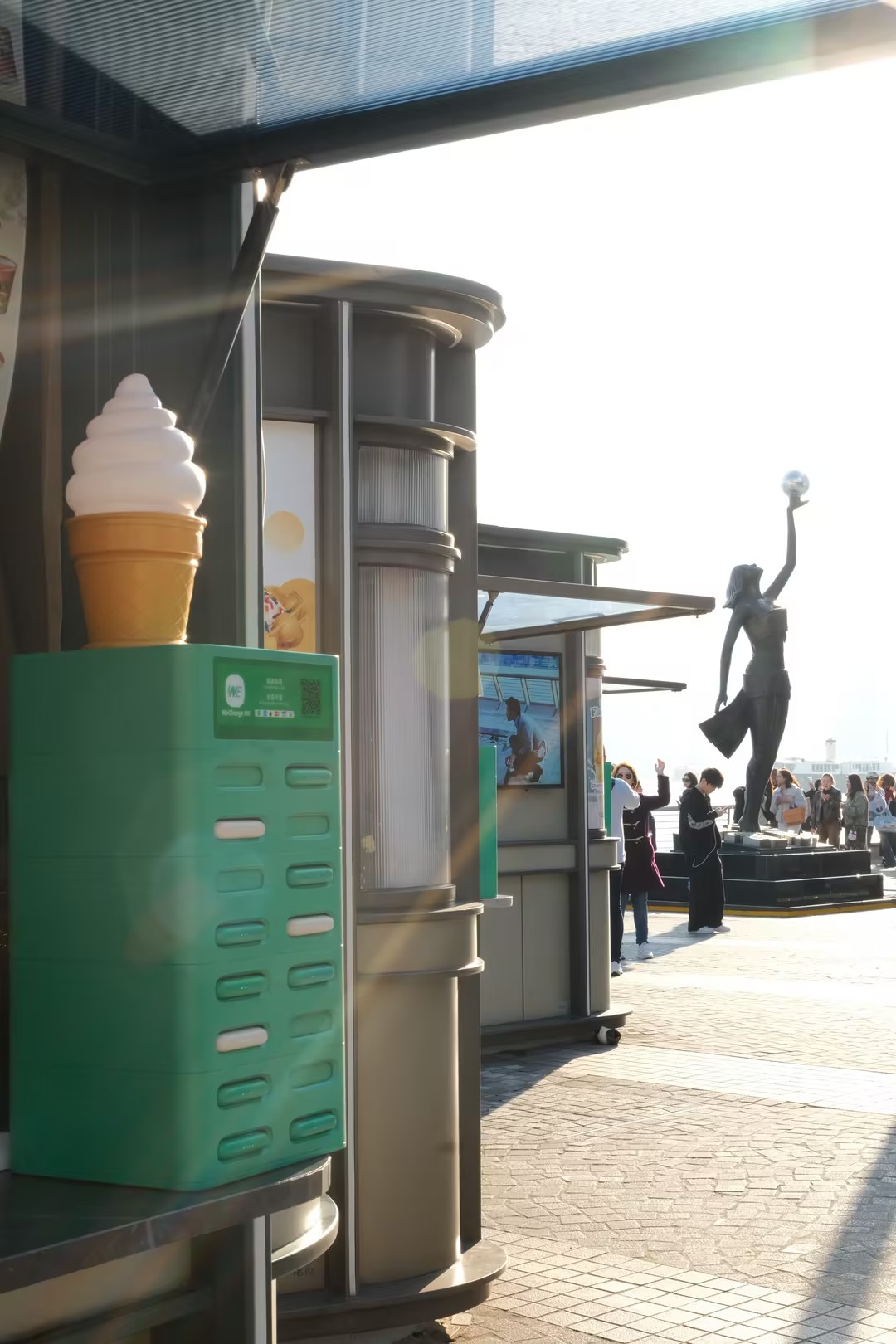
The CHARGESPOT Example
CHARGESPOT was established in Hong Kong in 2017 and subsequently expanded into multiple international markets.
According to its published information, CHARGESPOT has more than 6,000 rental locations in Hong Kong.
Its network illustrates an important principle of the power bank rental business:
Network coverage can become a competitive advantage that is difficult for a new operator to replicate.
A customer is more likely to rent a power bank when they know they can return it at another convenient location.
For an established operator, a dense network can improve convenience and brand familiarity.
For a newcomer, the same network creates a significant entry challenge.
Hong Kong Has Multiple Competing Brands
A Hong Kong Consumer Council study examined eight power bank rental platforms, including CHARGESPOT, AiCharge, HiCharge, WeCharge HK, and several others.
The presence of multiple providers demonstrates that competition extends beyond a single dominant brand.
The study also highlighted differences in station coverage, pricing transparency, and return-location information.
This suggests that even in a mature market, customer experience remains an important competitive factor.
Is Hong Kong Still Worth Entering?
For a startup planning to compete across the entire city, entry may require substantial investment in venue acquisition, marketing, and network expansion.
However, opportunities may still exist in specific segments:
-
Hotels and hospitality groups
-
Private entertainment venues
-
Event-based rental services
-
Branded charging solutions for commercial properties
-
Locations with exclusive venue agreements
The lesson from Hong Kong is that entering a mature market requires differentiation, not simply cheaper hardware.
3. Japan: An Example of Network-Driven Market Maturity
Japan is another important market for understanding the development of shared power bank infrastructure.
CHARGESPOT began operating in Japan in 2018.
By March 2025, the company reported more than 50,000 installed battery stations across the country.
Its network covers railway stations, airports, convenience stores, restaurants, commercial facilities, and other locations.
This extensive coverage creates convenience for users while raising the competitive requirements for new operators.
Why Japan Is Challenging for New Entrants
A new company entering Japan may face several obstacles:
-
Existing network coverage and brand recognition
-
Competition for high-traffic commercial locations
-
Customer expectations regarding reliability and convenience
-
Hardware, electrical, and regulatory compliance requirements
-
The need to establish sufficient return locations
A small network may struggle to compete directly with an established nationwide service.
Where Could Opportunities Remain?
Instead of competing with major operators across an entire country, new businesses could evaluate more specialized applications.
Examples include private hospitality networks, temporary events, corporate facilities, and venue-specific charging services.
These opportunities should be validated through actual commercial partnerships rather than assumed from national market size.
4. United States: Opportunities Through Venue Partnerships
The United States presents a different market structure from Hong Kong and Japan.
Shared power bank services are available in certain American cities and commercial venues, but the opportunity should be evaluated at the city and venue level rather than treating the entire country as one uniform market.
One notable example is chargeFUZE, a US shared portable charger rental operator.
Its business demonstrates how portable charger rentals can be integrated into entertainment, hospitality, and commercial environments.
The chargeFUZE Example
chargeFUZE is an example of a branded rental network operating in the United States.
Its presence shows that the business model is commercially relevant in American venues.
For new operators, however, the existence of established competitors means that identifying underserved locations and negotiating venue partnerships are essential.
Potential locations to evaluate include:
-
Bars and nightclubs
-
Restaurants and cafés
-
Concert venues
-
Sports and entertainment facilities
-
Shopping centers
-
Hotels and tourist destinations
What Makes the US Market Different?
US customers are familiar with credit cards, contactless payments, and digital checkout experiences.
A convenient rental process can be particularly important.
For example, an operator may want customers to rent a charger by scanning a QR code or using a compatible card-payment terminal.
However, payment integration must be verified for the specific hardware, payment provider, and operating model.
The United States also requires careful consideration of electrical safety, wireless communication, and applicable product certification requirements.
Our assessment: The US can be attractive for operators with strong local venue relationships and a clear target segment, but nationwide expansion should not be assumed to be easy.
5. Southeast Asia: Attractive Demand, Different Market Conditions
Southeast Asia should not be treated as a single power bank sharing market.
Singapore, Thailand, Vietnam, Indonesia, Malaysia, and the Philippines differ in consumer spending, payment methods, regulations, and existing competition.
Singapore: Established Networks Are Expanding
Singapore has a compact urban environment, extensive commercial infrastructure, and a digitally connected population.
CHARGESPOT reported more than 700 installation locations in Singapore in an August 2025 announcement.
This indicates that established operators are already building meaningful network coverage.
New entrants should therefore focus on specific venues and partnerships rather than assuming that Singapore is an untouched market.
Thailand: Tourism Creates Demand, but Competition Exists
Thailand has a large hospitality and tourism economy, making hotels, nightlife venues, restaurants, and shopping districts potential rental locations.
However, CHARGESPOT already operates in Thailand.
New operators should study competition in Bangkok, Phuket, Pattaya, and other target destinations before selecting equipment or negotiating venue agreements.
Vietnam and Indonesia: Markets Worth Testing
Vietnam and Indonesia may deserve attention from entrepreneurs evaluating new rental networks.
Potential demand drivers include urban smartphone usage, cafés, shopping centers, tourism, and entertainment venues.
However, a low visible number of shared power bank stations does not necessarily mean high demand.
Operators should verify:
-
Local willingness to pay for portable charger rentals
-
Existing competitors in target districts
-
Compatible local payment methods
-
Import and product compliance requirements
-
Rental demand at actual partner venues
For these markets, a small pilot network may be more informative than a national market forecast.
6. Europe: Opportunities Beyond Major Capital Cities
Europe already has several shared power bank operators.
Companies such as Brick, Chimpy, ChargedUp, UpCharge, and CHARGESPOT have established networks or commercial activities in parts of the region.
This means Europe is not an entirely new market for power bank sharing.
However, the competitive environment differs considerably between countries and cities.
United Kingdom
The UK has existing operators and a developed hospitality sector.
New entrants should evaluate specific venue categories and the competitive coverage of individual cities.
Germany
Germany has established charging-service providers and demanding product compliance requirements.
Potential operators need to assess electrical safety, radio equipment requirements, data protection, and local payment integration.
Spain and Italy
Tourism, restaurants, nightlife, and commercial venues create possible use cases for shared portable chargers.
However, the presence of demand does not guarantee profitability.
The most practical approach is to compare the cost of securing venues with realistic rental revenue and operating expenses.
The European Market Entry Strategy
Instead of immediately building a large network, an independent operator could begin with a focused group of venues in one city.
The pilot should test rental frequency, return behavior, payment completion rates, and venue commission economics.
Only after validating these factors should the operator consider wider deployment.
7. Latin America: Potential Opportunities with Local Payment Challenges
Latin America is another region worth evaluating.
Mexico, Colombia, Chile, and other markets contain large cities, shopping districts, restaurants, nightlife venues, and tourism destinations.
However, opportunities differ by country.
Mexico
Mexico may be suitable for testing shared power bank rentals in selected hospitality and commercial locations.
Operators should validate local competition, rental pricing, import requirements, and payment acceptance before investing in a large network.
Colombia
Colombia has a digital payment ecosystem that includes local providers and payment methods.
For a shared power bank business, successful payment integration can be as important as the rental hardware itself.
Chile
Chile may be worth assessing for city-level pilots, particularly where operators have established venue relationships.
A reliable local payment solution and suitable mobile connectivity are essential.
What New Operators Should Understand
Latin America should not automatically be described as a low-competition region.
There may be local providers that are not highly visible in international search results.
Physical market research and discussions with local venue owners are therefore important.
8. Middle East: Evaluate Premium Commercial and Hospitality Locations
The Middle East offers several markets where shared charging services may fit commercial and hospitality environments.
The UAE, Saudi Arabia, Qatar, and Kuwait are worth investigating, particularly for businesses that already have relationships with local venues.
Potential applications include:
-
Shopping malls
-
Hotels
-
Restaurants
-
Entertainment destinations
-
Exhibitions and conferences
-
Tourist attractions
However, premium commercial locations can involve high placement costs, commercial negotiations, and established competition.
Local payment compatibility, product compliance, and import procedures should be confirmed before equipment procurement.
A market with high consumer spending is not necessarily a market with high shared power bank rental profitability.
9. How Can New Operators Compete in Established Markets?
The Hong Kong and Japan examples demonstrate that market maturity changes the competitive requirements.
In an early-stage market, an operator may focus primarily on introducing the rental concept.
In a mature market, success increasingly depends on network convenience, customer experience, pricing, and location partnerships.
For independent operators, several strategies are worth considering.
Build a Recognizable Local Brand
Rather than operating generic equipment, businesses can develop their own brand identity.
Custom station colors, logos, packaging, and user interfaces can help create a consistent customer experience.
Focus on Specific Venue Categories
A startup may find it easier to develop partnerships within one segment, such as nightlife, hospitality, or events, rather than competing across every commercial location.
Control Long-Term Software Costs
Software is an important part of the operating model.
Rental systems typically need device management, customer rental interfaces, pricing configuration, payment integration, and order monitoring.
Operators should understand whether their software costs are based on subscriptions, transaction fees, or a one-time purchase.
Build a Reliable Return Network
Convenient returns are essential to the customer experience.
A business with many rental stations but insufficient return options may face customer dissatisfaction and operational problems.
10. VSCHARGE: Helping Businesses Build Their Own Power Bank Rental Brands
For entrepreneurs entering the shared power bank industry, choosing a suitable hardware and software supplier is an important early decision.
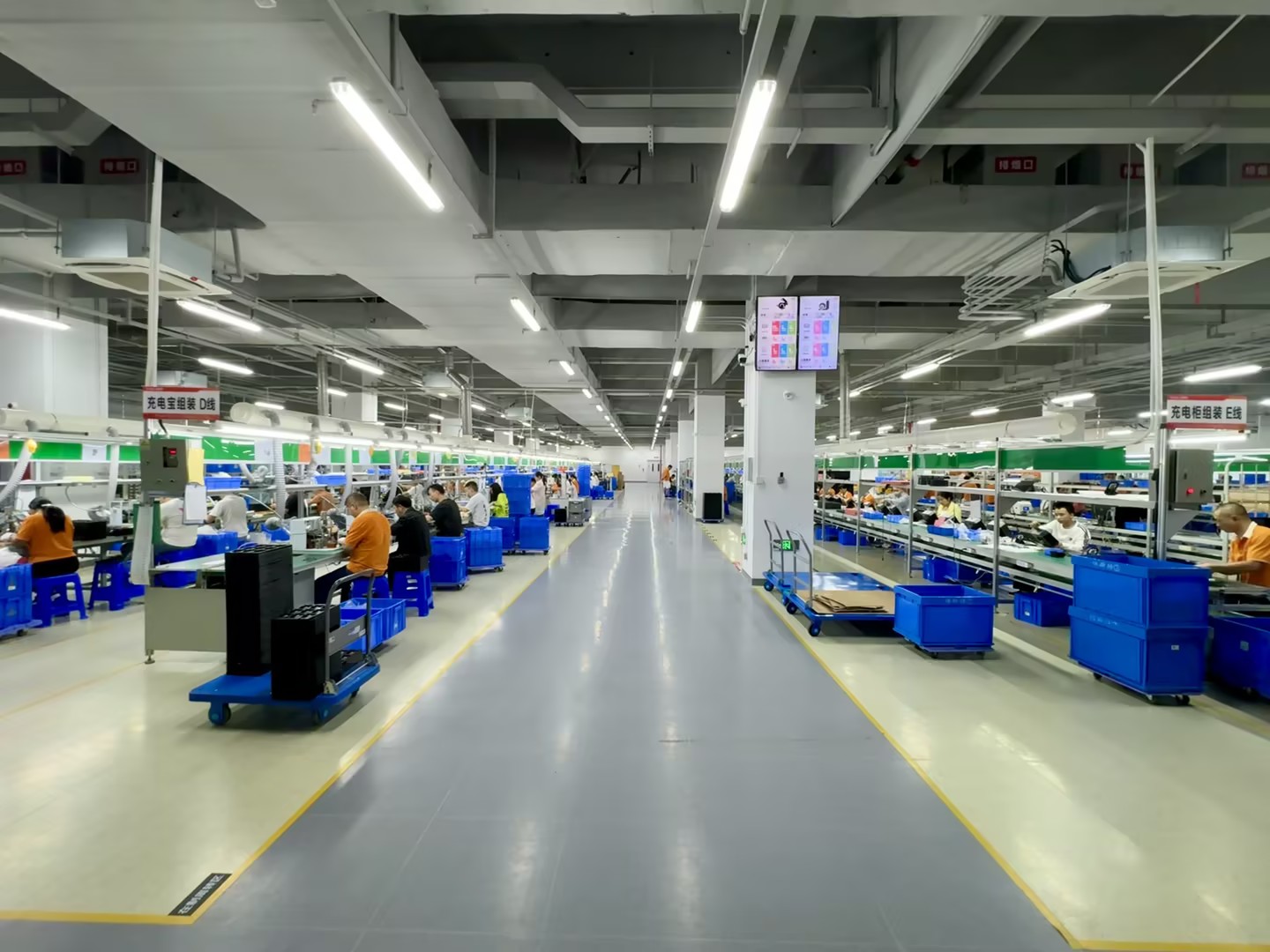
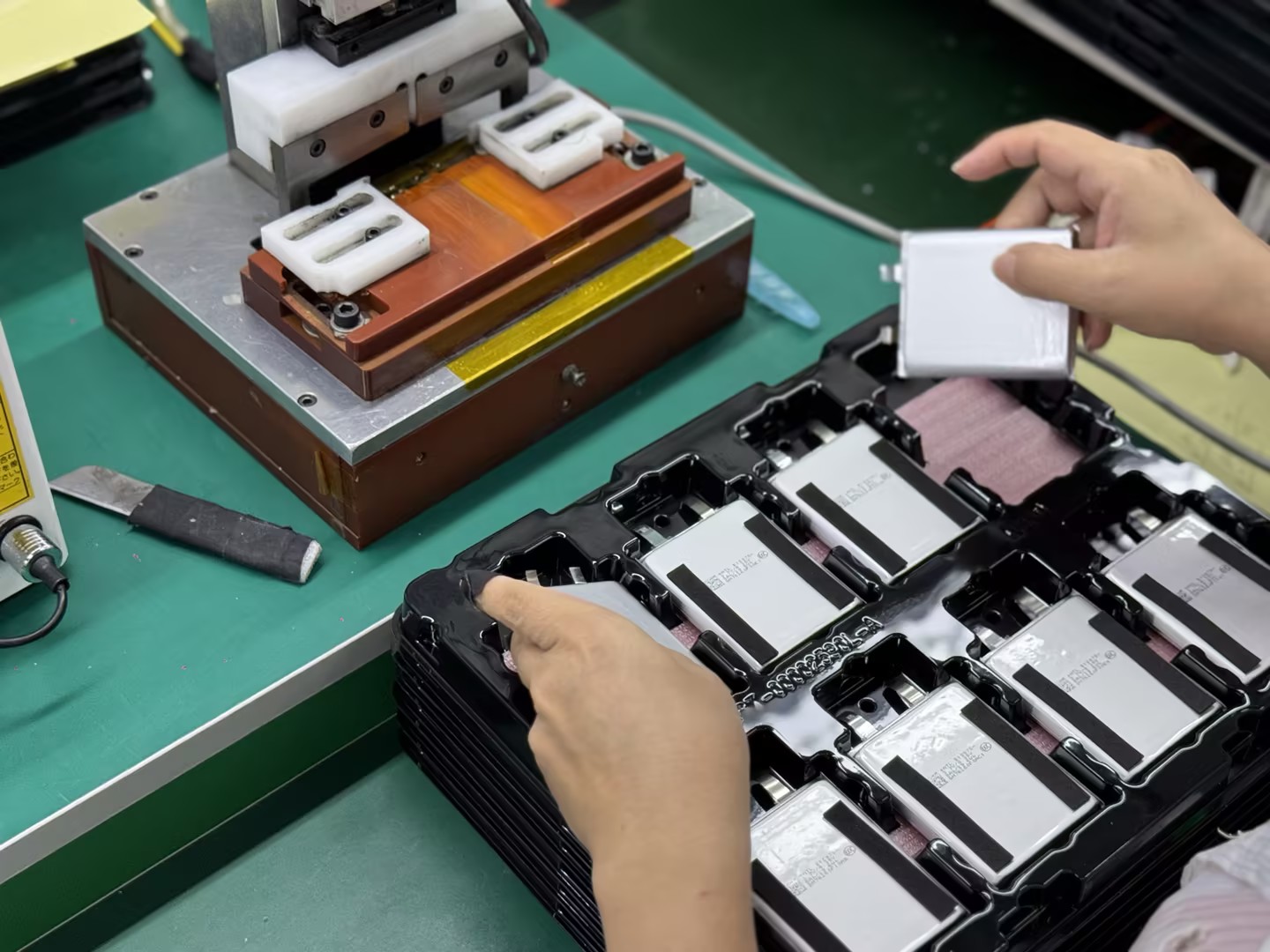
VSCHARGE is a shared power bank rental station manufacturer providing OEM/ODM hardware customization and independently deployed rental software solutions for international customers.
Rather than requiring every business to operate under the same consumer-facing brand, VSCHARGE supports customers building their own branded charging networks.
Shared Power Bank Hardware
VSCHARGE offers several station configurations, including:
-
4-slot compact charging stations
-
8-slot power bank rental stations
-
12-slot screen-equipped stations
-
32-slot high-capacity stations
Different configurations can be selected according to venue size, expected rental demand, and operational requirements.
OEM/ODM Customization
Businesses can request customization of station branding, colors, power banks, and packaging.
This allows operators to build their own market identity rather than relying on a generic equipment appearance.
Independently Deployed Rental Software
VSCHARGE also provides a rental software solution that can be deployed on a customer’s own server.
The solution includes a PC-based management dashboard and an H5 customer rental interface.
Its software model is based on a one-time purchase rather than a mandatory monthly SaaS subscription.
Server hosting, payment processing, maintenance, and other applicable third-party expenses should be assessed separately.
Integration with Customer-Owned Platforms
For businesses developing their own applications and management systems, VSCHARGE can provide protocol and integration support according to the selected hardware and technical requirements.
This gives technically capable operators another route to building a customized rental platform.
Experience with International Business Requirements
VSCHARGE works with international customers who have different requirements for payment integration, wireless connectivity, branding, logistics, and product compliance.
The company can assist with hardware selection and technical coordination based on the target market.
For example, a business targeting American nightlife venues may prioritize convenient card payments, while an operator entering Southeast Asia may need to evaluate local digital payment methods.
These differences should be considered before selecting the final station configuration.
11. How Much Does It Cost to Start a Power Bank Rental Business?
Startup costs vary according to the number of stations, the number of power banks, hardware configuration, software model, logistics, and local deployment expenses.
A small pilot and a citywide network have very different investment requirements.
A useful initial cost model includes:
Initial investment = Hardware + Power banks + Shipping + Import costs + Software + Installation + Launch expenses
Monthly operating costs may include venue commissions, payment processing, mobile connectivity, hosting, maintenance, customer support, and battery replacement.
For a simple payback calculation:
Payback period = Initial investment / Average monthly operating cash flow
This calculation only produces a meaningful result when monthly operating cash flow is positive.
It should also be adjusted for software costs shared across multiple stations, seasonal demand, and additional capital expenditure.
The most reliable financial projections use actual pilot rental data rather than assumed rental frequency.
12. Frequently Asked Questions
Which country is best for a power bank rental business in 2026?
There is no single best country. The United States, selected Southeast Asian markets, parts of Europe, and some Latin American and Middle Eastern cities may offer opportunities. The right choice depends on local competition, venue access, payment compatibility, compliance costs, and expected rental demand.
Is Hong Kong’s power bank sharing market saturated?
Hong Kong has a mature and competitive shared power bank ecosystem, including CHARGESPOT and several other operators. Broad network entry can be challenging, although specialized venue partnerships may still offer opportunities.
Is Japan a good market for new power bank sharing companies?
Japan has extensive existing network coverage, making direct competition challenging. New operators may need to focus on specialized applications or specific venue partnerships rather than attempting immediate nationwide coverage.
Is the US power bank rental market competitive?
Competition varies significantly by city and venue category. Existing operators such as chargeFUZE demonstrate market activity, but new businesses still need to assess local coverage and commercial partnerships.
Can I start my own power bank rental brand?
Yes. Manufacturers such as VSCHARGE provide OEM/ODM equipment and software options that allow businesses to develop their own branded rental networks.
Do I need to pay monthly software subscription fees?
Not necessarily. Some software providers use subscription-based models, while VSCHARGE offers independently deployed software with a one-time purchase model. Other operating costs, including hosting and payment processing, may still apply.
Should I start with 4-slot, 8-slot, or 12-slot stations?
The decision depends on venue traffic, available space, rental demand, and budget. Small venues may begin with compact stations, while higher-traffic locations may require larger configurations.
Conclusion: The Best Market Is Not Always the Least Competitive One
The global shared power bank industry offers different opportunities depending on market maturity.
Hong Kong and Japan demonstrate the importance of extensive rental-and-return networks. The United States illustrates the value of venue-focused operating models. Southeast Asia, Europe, Latin America, and the Middle East require more localized evaluation.
For entrepreneurs entering the industry in 2026, the most important question is not simply:
“Which country has the fewest power bank rental companies?”
A more useful question is:
“Where can we build a convenient, profitable, and differentiated rental network with the resources available to us?”
Choosing the right locations, payment methods, hardware, and software architecture can be more important than choosing a country based only on population size.
For businesses looking to establish their own shared power bank brand, VSCHARGE provides OEM/ODM rental stations, hardware customization, and independently deployed software solutions.
VSCHARGE — Shared Power Bank Rental Station Manufacturer & OEM/ODM Solution Provider.
www.vscharge.com
Shenzhen Welink Energy Co.,LTd